
Made for Play
Explore child development through play, find inspiration for your next DIY project, and discover tips for selecting the perfect toys for your little ones.


Latest Articles

Unlocking the Power of Play: 4 Essential Types to Inspire Your Child
We love talking about kids’ play almost as much as we love developing open-ended, play-focused toys. Because we believe play is so much more than entertainment. It’s a brain-boosting, vocabulary-building, social-skill-teaching wonder. Just as your kiddo needs a varied diet, they need different types of play – and these four are a great place to start! Here are four essential types of play that help your child learn, grow, and thrive! Constructive Play Constructive play is anything that involves kids building with toys like building blocks, play dough, train sets, and craft materials. This type of play looks like it’s all fun and games, but it can also indicate whether kids are hitting developmental milestones. Babies between 14 and 20 months should be able to stack two blocks together, then four blocks by 17 - 24 months, and finally six blocks by 20 - 30 months. Experts use these benchmarks to gauge whether your child’s hand-eye coordination, fine motor skills, and cognitive skills are developing as expected.Constructive play has also been associated with kids’ performance in school, especially in math. In one study, kids who created more complex structures around age 4 were more likely to have higher math scores later in life. This type of play has also been linked to improved spatial reasoning, stronger language development, and more creative problem-solving. Dramatic/ Pretend Play Dramatic play happens when kids take on a “role” and act it out. It can be as simple as playing chef in their play kitchen or as whimsical as pretending to be a fairy astronaut in space. Either way, kids are benefitting from their made-up scenarios… especially when you join in and play with them! For younger toddlers, pretend play often looks like acting out aspects of adult life – even the ones that might seem dull to us like sorting mail or folding socks. This type of play helps them make sense of the adult world and build essential life skills.For older kids, pretend play takes on endless possibilities. When they act out real-world scenarios (even with a little fantasy twist), they rehearse the social norms of everyday interactions, building their confidence and vocabulary. When they pretend to be another character or person, they practice putting themselves in someone else’s shoes, helping them develop empathy and social understanding. And of course, pretend play is hugely important for helping kids develop their creativity! Active Play Running, jumping, hanging, climbing, etc. are all part of the active play category, and as you could probably guess, this type of play is critical for kids’ physical health. As they engage in high-energy activities (ideally outside), they’re not just strengthening muscles and getting exercise. They’re developing strong bone density and robust vestibular systems (the bodily system that’s responsible for balance and spatial awareness.)Active play has tons of less obvious benefits too. Kids who get more activity tend to sleep better at night, have an easier time focusing on academic tasks, and are less likely to struggle with anxiety and depression, Social Play All of these types of play can be combined with another critical type: social play. Whether it’s playing tag, building a tower together, or playing house with a friend, social play fosters social and emotional development as kids learn to interact with their peers. When kids pretend together, each pretend scenario comes with a kind of unspoken social contract as kids decide what they are going to be and how their make-believe world works. If they want to change something about the scenario, they’ll need to communicate and get their friends on board.But don’t worry if it seems like your toddler isn’t exactly interested in social play yet. Sociologist Mildred Parten broke down kids’ stages of play into six distinct categories, all of which involve different amounts of social interaction: Unoccupied play occurs when very young babies observe the world around them with interest but don’t try to interact with it yet. Independent play occurs when a child plays alone. It usually begins around age 2 and lasts through childhood. Onlooker play is most common around ages 2 and 3 and occurs when kids simply observe other kids playing but don’t join in. Though it may seem like they’re not doing much, they’re actually soaking in a ton of information on social norms and how older kids play together. Parallel play is also common around ages 2 and 3. In this case kids are playing near each other, often doing similar activities, but aren’t really playing with each other yet. Associative play is similar to parallel play but with a little more social interaction as kids may talk to each other and influence each other’s activities (like making suggestions for their block tower or trying to copy a friend’s drawing). This type of play is most common between ages 3 and 4. Cooperative play is what we’re likely thinking of when we picture traditional “social play.” Kids are truly playing with each other, not just near each other, and are interacting and communicating. This type of play emerges as kids’ favorite way to interact with their peers around age 4 or 5. Each of these stages is important, so don’t worry if your little one is more of an onlooker than a “jump-on-in” type. They’re still picking up valuable social skills that will benefit them later when they do engage more in cooperative play! Helping Your Child Engage in Different Types of Play Helping your kiddos get enough of each type of play is simple. As long as they aren’t spending too much time on screens or at scheduled events, they’ll naturally seek out these types of play on their own. Our job is simply to provide a few open-ended toys that support each type of play, give them plenty of free time to engage in play, and join in on the fun!Use our Shop by Skills page to easily find toys that foster these different types of play and the developmental skills associated with them!

Best Types of Toddler Toys by Age
Shopping for adults is hard. Shopping for toddlers? That’s easy. They’ll be excited to open almost anything, and if you stick to classic toys that match their developmental stage, they’ll actually play with it – sometimes for years to come! To simplify your buying while still keeping your options open, our guide breaks down some of the best categories of toys for infants, toddlers, preschoolers, and beyond! Toys for Infants (7-12 months) Bead Mazes Bead mazes are an ideal developmental toy for babies because they allow for fine motor practice with small objects without creating a choking hazard. Small pieces are big no-no for kids under three due to their tendency (aka compulsive need) to put everything in their mouth. The downside is those tiny objects are the perfect size for their little hands to explore and manipulate. Bead mazes solve that! Tiny pieces are fully attached to the toy but mobile enough that they can still practice spinning and sliding them around. Push Toys Most babes in this age range are just starting to find their sea legs – they’re pulling up, practicing standing on their own for a bit, and maybe even taking those first wobbly steps as early as nine or ten months. Pushcarts are a great way to support those developing skills. Look for ones that are sturdy enough that they won’t tip over when little ones use them to pull up but just light enough that they can start pushing them forward. Toys for 1 Year Olds Blocks Did you know a toddler’s ability to stack blocks is used as a milestone to track their development? Babies 14-20 months should be able to stack two blocks, and two-year-olds should be able to stack four. Why? It’s a strong indicator of how their fine motor skills are developing. Start playing together with blocks by at least one year old (or even sooner) to give them plenty of opportunities to practice. Shape Sorters Shape sorters provide another great way for toddlers to practice fine motor skills, but they also help them build shape recognition and problem-solving skills. Babies under 18 months will do best with simple shapes and just a few holes, and don’t be surprised if they need a tone of help choosing the right shape and fitting it into the hole. Once they start to master that, you can progress to larger shape sorters with tougher-to-recognize shapes, but again, they’re likely to need lots of help to master the new challenge! Toys for 2 Year Olds Climbers There’s no doubt that two-year-olds love to move, and they’re well-known for turning all of your furniture into their own personal playground. Giving them safe, appropriate ways to explore the urge to climb can help them meet that developmental need (and spare your couch cushions). Climbers are an affordable way to provide just that, letting them expend some of that energy, get some outdoor play, and develop gross motor skills in the process. Baby Dolls Hands down, our favorite thing about year two is watching their pretend play really take off! But unlike older kiddos who will start to invent their own characters and storylines, two-year-olds ’ pretend play is often based on what they see in real life. Dolls are ideal for just that, letting them act out roles and actions they see every day. While they may also show interest in smaller dolls and dollhouses at this age, larger dolls and doll furniture are a bit easier for them to handle and manipulate. Plus, they’re a great way to help prepare them for a younger sibling! Toys for 3 Year Olds Train Sets Train sets hit some of the types of play three-year-olds are working to develop: elaborate pretend play with storylines and constructive play (i.e. building and creating). Playing with trains is often a multi-step process that develops several different skills. Assembling the tracks is like a combination of puzzles and blocks; they’ll develop planning, problem-solving, and fine motor skills as they fit the pieces together and plan their track. Then, they can move into pretend play as they chug the train down the tracks and play with any included characters and prop pieces. Play Kitchens Toys like play kitchens are perfect both for letting three-year-olds mimic what you do in real life and eventually adding their own creative pretend scenarios. We like to go for smaller, toddler-sized play kitchens for this age. They can reach everything easily and are less likely to get overwhelmed by too many choices. Toys for 4 Year Olds Craft Tables Your kids have probably loved using colors and paints for years, but now, they’re really starting to get creative and meticulous with their arts and crafts. A space that allows them to easily access a variety of materials (think popsicle sticks, glue, craft pom poms, safety scissors, and various paints and colors) will let them move beyond adult-directed crafts and really start to explore their creativity. It’s best if all those materials can stay somewhat organized so they won’t get overwhelmed or frustrated as they search for what they need. Craft tables with built-in storage are a great solution. And since many children are starting preschool at this age, craft tables can give them practice sitting and staying focused and using the same materials they use in class. Playhouses Imaginative play is growing more complex for four-year-olds, and with a friend or sibling, they can get lost in their own pretend worlds for hours. Dress up clothes and large toys that foster role play are always going to be a hit. Playhouses are a great open-ended toy that lets four-year-olds immerse themselves in their own pretend world, whether that means performing daring firefighter rescues from a burning building, hosting a tea party in their castle, or running their own vet clinic. Toys for 5 Year Olds Outdoor Play Sets With most kids starting full-time kindergarten at this age, they’ll be itching to get some energy out after a long day in the classroom (and to hit the pillow a little early each night!) And since no one has time to hit the park after school and get dinner ready, adding a swingset to the backyard can make it way easier to let the kids get the movement and outdoor play they crave. Dollhouses & Play Sets Your child’s social circle grows dramatically once they start kindergarten, so expect plenty of playdates (and maybe even a sleepover or two in the next couple of years). Dollhouses are classic for fostering engaging social play – look for one that’s the right size for the dolls your child is into at the moment. At this age, that’s usually 12” dolls like Barbies and LOL Dolls or 18” dolls like American Girl or Our Generation. If your child loves the type of play you do with dollhouses but doesn’t love dolls, playsets like our Deluxe Fire Rescue Set or Pirate’s Cove Play Set are a great alternative and perfect for action figures!

7 Classic Kids Products that Promote Physical Activity
Making sure your kids hit that recommended 60 minutes of activity per day can be tough! Even with all that bouncing-off-the-walls energy, kids still need the right opportunities to move and play to get the activity they need. If you can make those opportunities fun for them and easy to maintain for you, your kids will stand a much better chance of avoiding a sedentary lifestyle. And you don’t need the newest toys to do it. In fact, simple, classic outdoor toys are often the best at inspiring kids to have fun and get moving! Swing Sets Backyard play structures like swing sets and playsets are kid favorites… and they’re one of the best ways to help your kids get and stay active outdoors! Look for one that offers multiple ways to get active by swinging, climbing, sliding, or hanging. Monkey bars and rock walls are great challenges for older kids! We make it easy to shop for durable wooden playset that fits your yard, kids, and budget. Bikes If you haven’t added a kid’s bike to your collection of outdoor toys yet, you’re missing a great chance to promote physical activity. If your kiddos can’t ride on their own yet, balance bikes, trikes, or training wheels might be more their speed. Sandboxes While you might think of sandboxes as more of a sit-and-play activity, your kids are doing a lot of upper body strengthening as they lift, pour, and carry buckets of sand and water! Sprinklers & Kiddie Pools Water play of any kind is an easy and (usually) inexpensive way to get kids moving. Sprinklers and kiddie pools are summertime classics that work for almost any age. Balls Yep, it can be that simple! Balls of any kind can inspire hours of kicking, throwing, and running – especially when you add some hoops, bats, or goals into the mix too. Balance Beams Walk, spin, jump, and repeat! There’s really no end to the ways kids can use a balance beam because once they’ve mastered one type of movement, they’re sure to move on to a new challenge. Toddlers will find it challenging just to maintain balance while walking, and older kids will love trying to master leaps and spins. Climbers Climbing offers a ton of benefits for kids’ physical and mental development, so offering safe opportunities to climb is a great way to support your kids’ health! If you don’t have a swing set with climbing features (or if you just want to offer more ways to climb), our A-Frame Hideaway and Climber, Shark Escape Climber, and Hop & Slide Frog Climber, are all budget-friendly ways to add kids’ play structures to your yard.Even with all the best outdoor toys, we know actually getting out the door to use them can still be a challenge. Our 5 Tips to Get Your Kids Outdoors can make it a little easier to ensure those outdoor play structures get plenty of use and – more importantly– that the kids get plenty of exercises!

12 Outdoor Play Ideas for Kids
We like winter for all the cozy cuddles, but we love spring and summer for the sunny days outdoor play. Now that the weather is warming up, take your crew outside and enjoy a few of these 12 no-fuss outdoor play ideas! Build a sandcastle Sandcastles aren’t just for the beach! If you have a sandbox, break out your beach toys so the kids can perfect their castle-building skills in the backyard! Paint with water No, not watercolors – just painting the porch or their wooden outdoor play set with plain water. It’s a mess-free way kids can get creative, and the “designs” actually show up surprisingly well if the wood and concrete are dry enough. A bucket full of water, sponges, and brushes of various sizes are all you need. Splash around with water tables and sprinklers Are the kids feeling grumpy? Just add water! Something about pouring and splashing just seems to reset their mood, and it’s a great way to keep cool in the summer sun. We love the convenience of water tables and sprinklers when filling up a kiddie pool is too much of a hassle. Get imaginative Yep, the coolest kind of play is often the kind your kids come up with entirely on their own. And something about the outdoors adds a little extra magic to imaginative play. Kids get creative with natural objects they find, and their outdoor toys take on whole new roles. The swingset becomes a pirate ship, and the playhouse becomes a fox’s den. Just offer to play make-believe and enjoy watching what they come up with! Play the ground is lava The outdoor version of the floor is lava...you get it. Use anything your yard has available – from landscaping stones to patches of clover – as designated “safe zones”. If there’s still too much open space, add more safe zones by spreading out some beach towels or your outdoor furniture cushions. Of course, if you have an outdoor playset, be sure to use the monkey bars or swings to cross the sea of lava! Use a magnifying glass A simple magnifying glass lets your kids discover a whole new world in your backyard! (Just be sure no bugs get scorched in the process). Have a picnic Lunchtime can be playtime too when the kids get to set up their own picnic! Let them fill a basket or lunch kit and head outside! They’ll love it so much, they might even try those kale chips you bought. If ants are a problem, a kid-sized picnic table might be worth the investment! Get swinging Pushing your kiddo on the swing is a great time for bonding...but when they finally learn to swing by themselves? That’s pretty great too. They’re totally engaged, and you can spend a minute working in the yard or relaxing on the porch. Have a bug hunt Have the kids look for as many different types of bugs as possible. They can describe or draw what they see, and if the creepy-crawlies don’t creep you out, they’ll love showing you a few of their finds. Of course, you’ll want to supervise young kids who can’t recognize stinging and biting bugs they should leave alone. Watch the clouds Is it a little sentimental? Sure. But if you haven’t stopped and watched the clouds with your kids, you’re missing out! You’re guaranteed to hear something silly and adorable when you ask what the clouds look like. Play with the pup The family dog just might be an untapped resource for playtime. Even if your dog’s energetic years are behind them, your kids can still have fun taking them for walks or hiding treats for them in the backyard. Plant a garden Giving kids their own little area to plant flowers and vegetables encourages independence, patience, and curiosity for the natural world. Set it up in front of their playhouse for an even cuter effect! Need a few additions to get your backyard playtime ready? KidKraft has you covered with all the outdoor toy classics: swing sets, climbers, playhouses, and sandboxes, all made to last and look great in your backyard! You can also shop outdoor toys by age. Explore our collections for 18 months-to-3 year olds, 3-to-8 year olds, and 8 year olds and up.

8 Activities Using Play Food for Kids
We all know that play kitchens and the play food that comes with them are great for dramatic play. I mean, who doesn't love being served pizza-watermelon-cookie soup by their toddling chef? But your kids’ pretend food makes a great addition to other activities too! Here are 8 new ways you can put that pretend food set to use in these food play activities for kids of all ages. Sorting Sorting is naturally fun for kids! They have a natural desire to find patterns, opposites, and categories. Play food sets offer all kinds of sorting activities for toddlers and preschoolers. Toddlers can sort by color, and older children can use more abstract concepts to sort the food items. (Which foods are for breakfast/lunch/ dinner? Which foods are sweet/ sour/ savory? Which foods are served hot or cold?) Mystery Bags Stereognostics, aka mystery bags, are a classic Montessori-inspired activity. To make one, put a few different objects in an opaque bag. Have your child reach in and feel the objects, describe them, and try to identify them, all without taking a peek. This activity helps your child develop their tactile senses, vocabulary, and reasoning skills. Play food presents a great challenge for this activity! Because most pieces of play food have a similar texture and weight, kids will have to use their fingers to explore the shapes to identify them correctly. This added challenge is perfect for older preschoolers who have already mastered mystery bags with easier-to-identify objects.. Learning Fractions Toy foods like this apple pie or cake set are perfect manipulatives for introducing fractions. Abstract number concepts can be tough for kids, but make that concept tangible and dessert-related? Now that’s something they’ll get on board with! Shopping & Math If your school-age kiddo loves to play restaurant or shopkeeper, have them create their own price list for each of the food items. When it’s time to pay the bill, you can add up the total together. This activity is especially great for introducing the concept of multiplication to school-age kids. (If I want to buy three pizza slices, and you charge $2 per slice, how much should I give you?) Raid your Monopoly box for pretend money or make your own for even more fun! Clay Models Add a little challenge and inspiration to play dough time by asking your child to make their best playdough or clay version of their play foods. Play food items are the perfect level of difficulty for this kind of activity: simple and easy to make yet interesting and intricate enough that your kids will enjoy trying to copy them. Stencils and Stamps Bring your play food set into the craft area for fun food-inspired art! Use them as stencils, letting kids trace the outline and then color and draw inside. Or pour a small amount of washable paint onto paper plates, and use them as stamps! Sensory Bins Sensory bins are all the rage on Pinterest, Instagram, and pretty much every mom blog around. And yes, they live up to the hype! While there are all types of sensory bins, a classic version includes a base like dyed rice, beans, or kinetic sand along with smaller objects and toys. Kids love pouring, digging, and sifting through the base to find the toys, and play foods make a perfect addition. Since sensory bins are often themed around holidays, seasons, and other categories, toss in a few play foods that fit your theme!Looking to shop for the perfect play kitchen or pretend play toy by age? Explore our selection for 2-to-4 year olds and 3-to-5 year olds now.

Benefits of Climbing for Kids
If you’re a parent, you don’t need anyone to tell you that kids love to climb. You’ve seen it for yourself first hand as your toddler scales the furniture or your kindergartner attempts to climb any tree with a branch within reach. But do you know why kids have a natural drive to climb? Read on to find out and learn how you can support this important developmental activity! 1. Vestibular system development We do a ton of things to support the development of our kids’ fine and gross motor skills, language, and cognitive function. But their vestibular system? Not something most of us have heard of. Our vestibular system is largely responsible for our balance and how well we can orient ourselves in a space without the use of our other senses like sight and sound. In other words, if you can close your eyes, stand on one foot, and still keep your balance, you have a strong vestibular system to thank for that!Climbing, spinning, and hanging upside down are some of the best ways to support the development of the vestibular system. It’s thought that this is why young kids are so naturally drawn to these behaviors! Providing safe opportunities to climb is a great way to help your kids develop strong balance and enjoy physical activity throughout their lives1. 2. Risk-taking play Risky play may not sound like a great idea… but most psychologists consider it an important part of childhood and healthy development2. When kids engage in risk-taking play (like climbing high or jumping from the swings), they learn to evaluate risks, take caution, and gain confidence3. So, while we’re usually tempted to shout “Be careful!” at the first sign our kids are going to climb that ladder too fast or try to go down the slide backward, we better serve them when we let them explore age-appropriate risks.Of course, there is such a thing as too much risk, and parents should always make sure their kids are taking risks within safe contexts. (Free play at the park? Sounds great. Playing in a busy street? Not so much.) Kids climbing structures provide a great balance of safety and reasonable risk for most age groups, allowing kids to have fun and explore their natural desire to take risks.. 3. Memory and cognitive function Research suggests that climbers can provide cognitive benefits as well as physical ones. One study found that participants’ working memory improved after engaging in dynamic activities like climbing and balancing4. Researcher Ross Alloway points to benefits for kids as well as adults: “By taking a break to do activities that are unpredictable and require us to consciously adapt our movements, we can boost our working memory to perform better in the classroom and the boardroom.” 4. Strength, coordination, and exercise It’s no surprise that climbing helps kids develop strong muscles and motor skills. Toddlers are naturally driven to climb to develop their gross motor skills5, and this inclination lasts well into school-age years as kids continue to develop their coordination and muscle strength. Providing opportunities to climb helps kids easily fit in the CDC’s recommended 60 minutes of moderate to vigorous activity per day6– something that is becoming tougher to accomplish as screens compete for kids’ time. KidKraft’s climbers and swing sets are a fun, safe way to do just that! (To see all of our swing sets specifically built with climbing in mind, select “Rock Wall” under the Play Features drop-down menu to refine your search results.) 1 How to Improve the Vestibular System2 Children’s Risky Play from an Evolutionary Perspective3 Why Kids Need to Take Risks in Life4 Climbing a tree can improve cognitive skills, researchers say5 Why Is Your Toddler Climbing on Everything?6 How much physical activity do children need?

6 Ideas to Break Up Kids' Tech Time
If your child’s screen time is starting to feel out of hand, you are so not alone. Managing screen time is always a challenge, but these days, it’s extra tough. Virtual learning is adding hours of screen time to kids’ days and cutting out extracurriculars and playtime with peers, leaving kids even more prone to turning to tech for entertainment. So what’s a busy parent to do? First, let go of any parental guilt – this season is tough. Second, try to work a few of these back-to-basics ideas into your kids’ daily routine to get them moving, creating, and using their imaginations! Cook Something Even if “cook” just means “spread-peanut-butter-on-toast” for your kid, giving them something to do in the kitchen is a great sensory and fine motor activity. Scooping and measuring build math skills, and kids are more likely to try food they helped create. For a few ideas, check out these kid-friendly recipes you can make together! Craft Something Craft areas and maker spaces don’t have to be fancy or expensive to be effective. And you don’t have to plan out Pinterest-worthy crafts. In fact, there are real benefits to open-ended art projects that let kids take the lead. With a few basics, kids are great at coming up with their own ideas. Stock your craft station with a few age appropriate supplies like safety scissors, glue sticks, pipe cleaners, popsicle sticks, paper towel rolls, craft pom poms, metal brads, and construction paper. (Of course, adjust according to the age of your kids!) Build Something Constructive play with things like blocks, building bricks, magnetic tiles, train sets, or play dough is engaging and brain-boosting. If your kids lose interest in building quickly, play with them to model how you can create and come up with your own ideas. Before long, they’ll be constructing their own masterpieces. Get Outside Making outdoor time a priority might be the single most important thing we can do to reduce our kids’ screen time and help them stay healthy and active. Investing in outdoor toys like playhouses, sandboxes, and swing sets is a great way to make the backyard more enticing. Walks, nature scavenger hunts, bike rides, trips to the park, and a backyard garden are other ideas that can become an easy, fun part of your regular routine. Make Reading Fun We all know how great reading is for kids. But if we force them to shut off their favorite app and pick up a book, reading can start to feel like a punishment instead of something fun – and what a shame that would be! To raise lifelong readers, try keep reading time fun, kid-led, and low pressure. Keep their bookshelf fresh with weekly visits to your local library (or weekly pickup if your library is closed). Read together with your best voices. Let them see you reading books that you really enjoy. Set up a cozy reading nook and let them decorate it with their own art and favorite pillows, blankets, and plushies. Offer special treats like herbal teas or frothed milk to make reading time even cozier and happier. Use Tech to Inspire Play If your kiddos are still clinging tightly to their TV time, use that interest to your advantage with pretend play inspired by their favorite characters. If they’ve been playing Netflix’s Over the Moon on repeat, “bake” some of those famous mooncakes together in their play kitchen. If they’re all about the princess category on Disney+, princess-themed dolls and dollhouses are sure to be a hit. Whatever they’re into, use it to re-spark interest in roleplay, pretend play, and open-ended toys. Hang in there, parents! You’re doing great.

Best Toys for Six Year Olds
From graduating kindergarten to losing their first baby teeth, six is a big year for your little one. And their play is changing at this age too. Thanks to growing imaginations and planning skills, they’ll start creating more complex structures with blocks and bricks and immersing themselves in complex pretend play for longer periods of time. Their social play is developing too as they learn to work with their peers and siblings to set the rules for their pretend worlds. At this age, they’ll love toys that allow them to explore their growing art and building skills and toys that support realistic pretend play...especially when there’s room for a friend to play too! Need some inspiration? Our list of best toys for six year olds is sure to have something they’ll love! Best Toy for Pretend Play: KidKraft Alexa 2-in-1 Kitchen & Market Only on Amazon Play kitchens are a classic way for kids to engage in role-playing and develop real-life skills as they play. The KidKraft 2-in-1 Alexa Kitchen & Market takes those real-life skills into the 21st century, letting kids practice responsible technology use with kid-friendly Alexa (parental consent and Amazon Echo dot required). Alexa will guide them to develop real-world skills as they shop and pay for their groceries on the market side and cook on the kitchen side. Even without Alexa, this kitchen offers a wealth of pretend play opportunities with interactive sounds and accessories. They’ll feel like the real deal as they pretend to own their own shop, create a menu, and prepare all their favorite meals. Love the idea of a play kitchen but need a budget-friendly alternative to the Alexa 2-in-1? Check out the KidKraft Boho Bungalow Play Kitchen only at Target. Best Toy for Encouraging a Love of Music: Lil’ Symphony Guitar At six years old, your budding musician is beyond the “hitting and banging” stage of playing with instruments and is likely interested in attempting real music. With Lil’ Symphony Guitar, they can get familiar with the parts of a guitar and practice tuning and strumming. They’ll love that it has the look of a real guitar – just like their favorite musician’s. With strings, tuning knobs, and a realistic neck and body, this toy guitar is as close to “real” as you can get while still being a toy. Best Educational Toy: Building Bricks Play N Store Table While you might not think of building blocks as an educational toy, constructive play is actually highly beneficial for your child’s developing math skills. In fact, how kids play with building blocks as preschoolers have been found to predict their math skills, even well into the high school years. The Building Bricks Play N Store table makes it easy to incorporate constructive play into your kids’ daily routine – without covering your floors in a building brick minefield (ouch!). The table has ample built-in storage, making clean up a breeze.Need an option that takes up less space? The On-the-Go Building Block Set ($24.99) may be tiny, but it holds a surprising number of bricks (100 to be exact!), allowing your kids to get creative anywhere. Best Toy for Arts & Crafts: Create N Play Art Easel Six year olds are nothing if not creative. (I mean where do they come up with those stories, anyway?) And every parent knows they love expressing that creativity in paintings, drawings, and crafts. You may also notice that at this age, they get a bit more particular about their artwork, attempting to draw more realistic pictures or being extra choosy about their colors. A full-size art easel is a great way to put that creative expression front-and-center, encouraging them to explore and expand their skills. The Create N Play Art Easel lets them do it all – dry erase, chalk, paint, and color – while staying mess-free with built-in storage caddies and paint cups. The Tabletop Easel is another great pick, especially when space is limited. Best Toy for Six Year Old Girls: Charlotte Dollhouse with EZ Kraft Assembly Six year olds are reaching another level with their pretend play as their storylines and “characters” grow more complex, and they’ll appreciate the extra details of a high-quality dollhouse. With beautifully detailed backgrounds and furniture, the Charlotte dollhouse is a hit with kids of all ages but especially school-age girls who love the realistic details it provides for their pretend play. This dollhouse accommodates 12”, the perfect size for your six year old’s Barbies and other favorite dolls. At four feet high, the Charlotte gives them enough room to play with friends and siblings for hours of imaginative play. Best Toy for Six Year Old Boys: Everyday Heroes Play Set 209.99 Dollhouse play is highly beneficial for both boys and girls as they immerse themselves in imaginative play and practice social situations. Unfortunately, boys often face pressure to stop playing with dollhouses once they reach school-age years. The Hometown Heroes Play Set solves that problem, providing all the benefits of dollhouse play while aligning with your little guys’ other interests. Both boys and girls love the Hometown Heroes set, but we’ve found that it’s a huge hit among boys who love all things first responder. The included firefighter and police officer are ready for the call along with their trusty canine side-kicks. Your kids can help them spring into action at a moment’s notice, sliding down the fire pole, or hopping onto the motorcycle, firetruck, or helicopter. When they’re not saving the day, the Hometown Heroes can get ready in this four-story playset with eight different rooms. Want more toy ideas for the six year old in your life? Shop all of our bestsellers for kid-tested toys they’re sure to love! *Prices are correct as of the publication of this article.
-
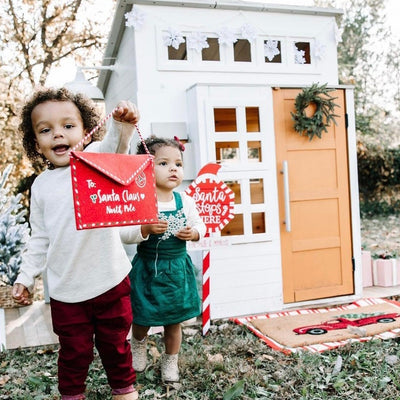
The Ultimate Kids Holiday Gift Guide for 2022
Read more - about The Ultimate Kids Holiday Gift Guide for 2022 within Popular Reads -

How Long Do Kids Play With Dollhouses?
Read more - about How Long Do Kids Play With Dollhouses? within Popular Reads -

Toy of the Year Award
Read more - about Toy of the Year Award within Popular Reads

