
Made for Play
Explore child development through play, find inspiration for your next DIY project, and discover tips for selecting the perfect toys for your little ones.


Latest Articles

Buying Guide: Kids Kitchen Playset
Children’s Pretend Kitchen Buying Guide: Tips for Choosing the Best One There's a special kind of magic that happens when a child steps behind their very own pretend kitchen counter. The clatter of wooden spoons, the turn of a pretend stovetop knob, and the serious look of concentration as they prepare a feast for their favorite stuffed animals. These are the sweet moments where imagination takes flight. If you're ready to bring this world of make-believe into your home, this guide will help you find the perfect KidKraft play kitchen for your little chef. Why a Pretend Kitchen Is the Perfect Toy for Imaginative Play A pretend kitchen provides a rich environment for pretend play, where children can imitate the grown-ups in their lives and explore new roles. It supports cognitive development as kids build real-life skills when they “bake,” “cook,” and “wash.” Language development: Naming ingredients, describing creations, and using new vocabulary expand children’s communication abilities. Problem-solving skills: Figuring out how to whip up imaginary meals or organize their kitchen fosters critical thinking. Social skills: Sharing the play space and "food" with siblings or friends encourages teamwork and cooperation. Creative storytelling: Inventing scenarios and pretending to be a chef or baker nurtures imagination. Practical life skills: Imitating real-world tasks helps build confidence and familiarity with everyday activities. Key Features To Look For in a Pretend Kitchen When shopping for a children’s pretend kitchen, consider your child’s age, personality, and your available space. Consider the following important factors to find a set that will engage your child and inspire hours of joyful play. Size and Space First, be sure to measure the space you plan to locate your new play kitchen—eyeballing it is not the way to go here. Then, check the kitchen’s measurements to ensure it can comfortably fit in your chosen spot. As for the right toy kitchen size for your child, there’s a lot of flexibility. Younger kids will grow into larger sets, while pre-schoolers still enjoy playing with smaller models. Older children may also be drawn to more detailed designs that let them take the lead in pretend play, from arranging and stocking their “pantry” to planning elaborate menus. When it comes to play kitchen height, aim for a model with countertops that sit around hip level for your child. Interactive Features and Design The details often make the biggest difference: Interactive features: Do the knobs on the oven click and turn? Do the appliance doors open and close? These unique features make playtime more realistic and entertaining. Exciting extras: Many of our pretend kitchens for kids include fun elements like: Ice makers that dispense play cubes Stovetops and faucets that light up and make sounds Beautiful styles: From retro-inspired designs to modern culinary setups, there’s a play kitchen style to match every home and personality. Accessories and add-ons A kitchen is not complete without food to cook and dishes to serve it on. While many children’s pretend kitchens come with starter accessory sets, you can expand the fun with additional play food and cookware. A well-stocked pantry of play food dishes encourages sorting, counting, and inventive recipe-making. Discover our must-have play kitchen accessories to create a complete culinary experience that will keep your little one happily occupied. Top KidKraft Pretend Kitchens to Explore While we have an entire collection of play kitchens for toddlers and older children, here are a couple of favorites that families adore. Ultimate Corner Play Kitchen Designed to fit conveniently into a corner, the L-shaped Ultimate Corner Wooden Play Kitchen is a dream come true for mini chefs-in-training. Its innovative layout is packed with features, including burners that glow, an ice maker that makes sounds, a spinning Lazy Susan under the sink, and a phone to take orders. The butcher-block style countertop, functional doors, and ample shelving provide a realistic setting for cooking adventures. Vintage Play Kitchen With timeless charm and a sweet, simple design, the Vintage White Play Kitchen captures the heart of imaginative play. Kids love the interactive details, like oven knobs that click and see-through doors on the oven and microwave to check on food’s “progress.” The durable wooden construction ensures this kitchen will be a beloved part of your playroom for years to come. This classic is perfect for toddlers developing their creative skills, and it complements any decor tastefully. Inspire Imagination With a KidKraft Pretend Kitchen A children’s pretend kitchen is a gift that keeps on giving, offering a special place for your child to grow, learn, and create memories. It’s a stage for a thousand stories, from hosting a simple tea party to running a bustling five-star restaurant. Bring imagination to life with a beautifully crafted KidKraft pretend kitchen. Discover our entire collection of play kitchens to find the ideal set for your budding chef today.

Playroom Inspiration to Refresh Your Kids’ Space This New Year
As we step into the New Year, resolutions are popping up everywhere. But who says they have to be just for grown-ups? How about giving your kids’ favorite space a fresh start, too? This coming year, transform their playroom into a bright, imaginative haven where creativity, laughter, and a little bit of joyful chaos can thrive. Playroom Inspiration for a Fresh Start A playroom refresh creates a space that encourages learning, inspires play, and helps keep things tidy along the way. With a few updates, you can turn their playroom into a cheerful corner that’s ready for new adventures, creative messes, and plenty of “look what I made!” moments. How to Design a Playroom That’s Functional and Fun What goes into a playroom? It’s a mix of creativity, comfort, and smart organization. The goal is to design a kid-friendly space that gives your child room to play and explore, all in a setting that’s safe, practical, and easy to maintain. Here are some tips: Choose Smart Playroom Furniture The right furniture can transform a playroom from cluttered to clean. A few key pieces can define areas for different activities. This intentional design keeps things orderly and helps children take ownership of their own play area. Here are a few playroom furniture ideas: Child-sized table and chairs: A spot for little artists to paint, build cardboard castles, or make paper crowns before sitting down for a well-earned snack break. Low-to-the-ground bookshelves: Bookcases and bookshelves invite tiny hands to grab their favorite bedtime story or discover a new adventure to nurture their own lifelong love of reading. Multi-functional pieces: An activity table with built-in storage keeps art supplies, building blocks, cars, and train tracks close at hand. It makes it easy to switch from playtime to cleanup in no time. Keep It Organized With Storage Solutions Taming the toy takeover turns the playroom from a daily scavenger hunt into a happy, stress-free zone. No more searching for missing puzzle pieces or that one crayon they have to use. Everything has its place, and playtime stays fun and peaceful for everyone. Give every toy a home: Use bins, baskets, and shelving units to keep things tidy. Opt for clear containers: They help kids see what’s inside, making both playtime and cleanup a breeze. Create designated zones: Think a cozy reading nook, a vibrant art station, or a building block corner. Playroom Decor Inspiration to Spark Creativity Decor sets the tone for any room. Here’s some inspiration for making your child’s space more playful, welcoming, and magical. Pick a captivating theme: Let your child's interests guide you. Are they an aspiring astronaut or chef? Do they love animals or adore fairy tales? Choose a theme that makes the room feel special and designed just for them. Embrace bright, cheerful colors: Match the room’s energy to your child’s. Try bold paint, colorful rugs, or pillows to keep the space feeling playful and inviting. Add personality with wall decals: Want color and character without committing to paint or wallpaper? Removable decals add an individual touch and can be easily changed as your child’s interests evolve. Showcase your child's masterpieces: Displaying their artwork not only personalizes the space but also makes kids feel incredibly proud of their creations. KidKraft Favorites to Inspire Your Playroom Refresh Ready to bring your playroom vision to life? Start with one standout toy that pulls the room together and keeps your little one coming back for more. Here are a few ideas: A classic wooden play kitchen: An interactive play kitchen can become the heart of the playroom, perfect for culinary “creations.” A detailed dollhouse: Great for kids who love creating their own little worlds, complete with tiny rooms and big stories. Themed play sets: Select a themed play set that encourages your child to play out scenarios, like parking cars in a garage or steering their own pirate ship. A train set: Whether it’s looping around the room or winding through wooden towns on a train table, a train set brings endless movement and creativity to playtime. Start the Year With a Playroom Full of Possibility Refreshing your child’s playroom is the perfect way to kick off the new year with a clean slate and a burst of fun. A well-organized space makes playtime smoother, cleanup quicker, and independent play a whole lot easier. With a few updates, you can create a space that feels fresh, functional, and full of good energy—ready for all the games, crafts, and big ideas the year ahead will bring. Discover more affordable playroom organization ideas or shop our outlet and our full collection of kids’ furniture.

Our Top Wooden Train Set Picks for Kids
A quality wooden train set is such a classic toy that it’s hard to go wrong. But finding the perfect wooden train set for your kids may take a bit of internet sleuthing. You’ll want a set that’s aligned with your little ones’ interests and skill levels and fits into your space and budget. To spare you the work, we’ve compiled our favorite toy train picks for every age, budget, and home in this list! Best Budget Pick: Figure 8 Train Set At under $30, the Figure 8 Train Set is a budget-friendly pick that can grow with your child and your budget. Toddlers and preschoolers will have everything they need to start their love of trains and creative, constructive play. The simple design is perfect for toddlers and preschoolers who are new to train and track building. When they’re ready for more, this set makes a great addition to any other KidKraft train set. Best Starter Set: Bucket Top Mountain Train Set At $50, the Bucket Top Mountain Train Set is another affordable intro to the world of trains and buildings. Preschoolers will find plenty to do with this mountainside train adventure. From perfecting fine motor skills necessary to assemble tracks to exploring imaginative play with helicopter rescues and cascading waterfalls. When they’re ready to add to the adventure, combine it with the KidKraft train expansion pack or any other KidKraft train set. Best Space Saver: Building Bricks Play N Store Table Love the idea of a train table for your train enthusiast but not sure if you have space? Our Play N Store Table is the perfect choice with 200+ building bricks that offer endless creative possibilities for your little builders. Even better? If you need to clear up room, but your little one’s creations aren’t exactly finished, the storage bins can keep them safe until its time to play again. Best for Imaginative Play: Ride Around Town Train Set & Table The Ride Around Town features four different scenes ranging from farm to town to busy airport. With so many different places to visit, it’s the perfect backdrop to inspire all of your little one’s make believe adventures. Best for Dino Lovers: Adventure Tracks Dino World If your little ones two great loves are trains and dinosaurs, trust us, you’re not alone. Kids like yours were the inspiration for our Adventure Tracks: Dino World train sets. Toddlers and preschoolers can start off with small tracks like the Stego Loop, a dino-themed figure 8. Older kids can jump right into the spiraling tracks of Volcano Escape. Or simply add a few Prehistoric Pals to your kiddos current train set. For the Dino obsessed, we have the perfect solution. The Adventure Tracks Dino World Rumble & Roar Complete Set includes it all. With 76 pieces, your little paleontologist will have endless pretend play possibilities. Best Train Table for Easy Assembly: Adventure Town Railway Train Set & Table Hate assembling furniture? We get it. While all of our train tables can be assembled quickly, the Adventure Town Railway Train Set & Table is complete with EZ Kraft Assembly,™ making it our easiest train table to assemble. You can go from unboxing to playtime in just five minutes – no tools required. Most importantly, the 120-piece train set will delight your little train lover as they build and conduct through their own mini city. Best for Experienced Train Track Builders: Airport Express Train Set & Table If you have a long time train lover in the family, they’ll love the challenge and detail of the Airport Express Train Set. This set 91-piece set features elevated and spiraling tracks and all the excitement of a real airport –landing strips, airplanes, a control tower, and a helipad just to name a few. Want to see more before you commit? Check out our full selection of toy train sets and train tables – we know you’ll find something you and your kids will love for years to come!

Must Have Kid's Play Kitchen Accessories
Whether your play kitchen has been around for years or it’s making its big debut this holiday season, a few play kitchen accessories can only add to the fun. The right accessories enable imaginative play and roleplay, ensuring that the kids’ kitchen stays a favorite toy for years to come. Here’s our list of must have play kitchen extras to get your littles cooking in their new kitchen or to re-spark new interest in an old favorite! 27-Piece Pastel Cookware Playset First thing’s first: a play kitchen isn’t complete without a set of dishes to enjoy all those yummy make-believe meals. This pretty pastel set cookware set covers all the basics. Your sous-chef will have all they need to serve up everything from pretend mac-and-cheese to high tea. If pink and pastels aren’t their style, opt for the primary colored version instead. Play Foods A close second to a set of play dishes, play foods are the next kids’ kitchen playset to check off your list. A variety pack like the Deluxe Tasty Treats set or the 30-pc Play Food Set is a great place to start. From there, consider adding a special set or two to let them have fun pretending to create their favorite foods. Farmer’s Market Play Pack We love pretend snacking on cupcakes and donuts as much as the next person, but it’s also nice to have some healthy foods in the play pantry to model balanced eating habits. With the Farmer’s Market Play Pack your little one can stock their fridge with apples, carrots, eggs, tomatoes, and some farm-fresh milk and cheese. The digital scale, baskets, and signs are great for playing farmer’s market, so your budding entrepreneur can roleplay selling their harvest as well! Chef’s Hat & Apron Playtime is just more fun when dress up is involved, and kids in adorable tiny chef’s hats make for some truly Insta-worthy pics. The Tasty Treats Chef Accessory Set also comes with an adorable apron in pink gingham or red stripes plus a matching oven mitt, potholder, and baking utensils. The high-quality apron will come in handy for real baking too! Small Kitchen Appliances Realistic accessories make time in the play kitchen that much more engaging and immersive. A couple of small kitchen appliances will give kids more opportunities to roleplay and create fun make-believe treats for the family. Go for ones that line up with your child’s favorite foods or favorite ways to help in the real kitchen. Do they love waiting for their toast to pop up in the morning? This little toaster set will pop pretend bread up just like a real one. Are they mesmerized by the whirl of the blender? A blender and smoothie set is just the thing. Of course, nothing beats baking cookies together. This baking set with mixer, cookies, and rolling pin recreates all the fun. Be sure to check out our range of colors to find the perfect complement to your little one’s kitchen. Modern Metallics Coffee Set Kids of coffee-drinking parents may have another kitchen appliance at the top of their list. Kids love mimicking the things we enjoy, and your morning coffee ritual is no exception. Unfortunately, sharing a real cup isn’t an option unless you want a major caffeine and sugar crash on your hands later. That’s where the Modern Metallics Toaster Set comes in, letting littles play out their own morning rituals. Kids can even fill the reservoir with water to feel just like mom and dad! Want even more ideas? Be sure to browse through our full line of play kitchen accessories! Looking to shop for the perfect play kitchen or pretend play toy by age? Explore our selection for 2-to-4 year olds and 3-to-5 year olds now.

How to Choose the Best Dollhouse for Toddlers
Christmas, birthdays, or just because – dollhouses are always a hit, and it’s easy to get just as excited about them as your kids do. Finding the perfect one, though, can be a bit overwhelming, especially if you’re shopping for a toddler. You’ll have a few extra factors to consider when it comes to safety and durability, but finding a great dollhouse for your toddling tot doesn’t have to be difficult. To help you out, here is our quick guide to choosing the best dollhouse for toddlers! Durability: Can it take the toddler treatment? To survive through the rough-and-tumble toddler stage and into the school years, that dollhouse needs to be durable and made of high quality materials. Dollhouses made from plastic may be more prone to breaking well before your child reaches school age years. On the other side of the coin, that lovely antique or handmade dollhouse you inherited may be well-made but is likely too delicate to stand up to toddler play. Generally, sturdy wooden dollhouse are the best bet to make it through these slightly destructive but completely adorable years of play. Doll size: Who’s living there? Whether you already have a family of dolls looking for a home, or you’re buying the dolls and the dollhouse all at once, make sure they’re compatible sizes. Dollhouses usually specify what size doll they’re made for, and common sizes include 5”, 12” and 18”. If you think that 12” or 18” dolls are still a bit too big for those adorable chubby toddler hands, then opt for a dollhouse meant for smaller dolls. Safety: Does it have small pieces? We’re all familiar with the warning labels, and we know kids under three shouldn’t play with toys that could pose a choking hazard. Obviously, the dollhouse itself isn’t a choking hazard but small pieces that come with it could be. Check the suggested age range on the dollhouse to make sure it’s considered appropriate for toddlers, or remove all accessories or detachable pieces that could be potential choking hazards. When in doubt, consider anything that your child could fit entirely in their mouth to be a choking hazard. Put it away and save it for when they’re older! Size: How big is a dollhouse? Pictures can be deceiving, and the last thing you want is to end up with a dollhouse twice as big as the space allotted for it. Double check the measurements, and if necessary measure the space it’s meant to fit in to avoid any surprises. Consider what size will work best for your children come playtime. If you plan to upgrade to a larger dollhouse when they get older, you may opt for a smaller dollhouse now. If you plan to keep this dollhouse for years, then don’t let larger sizes scare you – they’ll still enjoy playing with them now, and they’ll grow into them before you know it. Look: What’s your style? Finding a dollhouse that meshes well with your decor is always a bonus, especially if it’s going to be in a common area of the house. You’ll have the best luck with brands that offer a wide variety of colors and styles. Shameless plug time: Not-so-coincidentally, we just happen to meet that description with our collection of artfully-crafted wooden dollhouses that are built to last and look great in your home. The little things: What makes your toddler beam? Last but far from least, what little touches or features would make your toddler extra excited about their new dollhouse? Whether it’s their favorite princess or the chance to decorate it and make it their own, look for those special features or accessories that make the dollhouse perfect for your toddler. Want to explore KidKraft’s selection of dollhouses by age? Discover our dollhouses for 2-to-4-year olds, 3-to-5 year olds, and 5 years and up now.

From Dollhouses to Dreamscapes: Fostering Storytelling and Pretend Play
Remember back when you and your siblings would dress up, set the stage with pretend play toys, and force your parents to watch the play you’d just made up? Or when you and your friends could spend hours acting out elaborate pretend play ideas? Those moments of imaginative play were more than just fun – they’re powerful drivers of kids’ development, including their emotional and social growth and language development. Unfortunately, today’s kids may not get to experience those moments quite as often, with screens and busy schedules eating into playtime. But by making stories and pretend play a priority in your kids’ lives, you can help bring the same magic into their childhood. So, if you're a parent looking to unlock the power of imagination for your littles, read on as we dive into the benefits of pretend play and practical tips for helping your kiddos discover their inner storyteller. The Benefits of Storytelling and Pretend Play Enhanced Creativity and Imagination Imagination is the fuel of pretend play, and cultivating it benefits our kids throughout their lives. Whether they're crafting a daring escape plan for their stuffies or telling you a story about a unicorn-dragon hybrid, they're flexing their creative muscles. This ability to envision and create something out of nothing is the foundation for successful problem-solving and innovative thinking later. Improved Social and Emotional Skills As kids step into different pretend roles, they often act out complex feelings and social dilemmas. They might practice scenarios of friendship, sharing, and empathy, which can help them develop better interpersonal skills. And when they engage in pretend play with peers, they practice social skills like compromise, collaboration, and negotiation as they decide who gets to be the queen or the dragon or who gets to be the chef in charge of the pretend play kitchen. Reduced Stress and Anxiety Believe it or not, those harrowing adventures through the dark forest or outer space can be therapeutic. Pretend play provides an outlet for kids to process their emotions and fears in a safe environment. By taking on different roles, they can explore situations that might be challenging for them in reality – and in their own world, they always come out victorious! This can be particularly helpful in addressing feelings of stress and anxiety, helping them develop resilience and coping mechanisms. Ways to Foster Storytelling and Pretend Play Dirty toys can be a breeding ground for all sorts of unwelcome guests. Dust, allergens, bacteria, and even mold can accumulate on toys that aren't cleaned regularly. These culprits can lead to allergies, respiratory issues, skin irritations, and even more severe infections in some cases. By prioritizing toy hygiene, you're safeguarding your child's well-being. Set Aside Time for Reading, Storytelling, and Pretend Play We get it – our schedules can get ridiculously busy. But dedicating regular time to reading, storytelling, and pretend play can have huge benefits. Keep your bookshelves stocked by visiting the library regularly; read engaging, immersive stories that spark your child’s imagination, and give them opportunities to tell you their own stories or to act them out through play. Whether it's a silly superhero mission or an adventure through the fairy kingdom, these moments allow your child's imagination to flourish and give them the undivided attention they crave. Join In! Don't just be an observer – jump into the world of make-believe alongside your child! Whether you're the sidekick in their superhero escapades or a wizard in their fantasy kingdom, your involvement shows them that their imagination is valued and celebrated! Be the Best Audience We know that you can’t always drop everything to listen to your kiddo’s stories. But try to carve out a few times where you can. For example, maybe after you’ve told a bedtime story to your child, they get to tell you one that they’ve made up themselves. When they do, try to be the most enthusiastic audience they've ever had! Ask questions and show genuine interest. This encouragement boosts their confidence and motivates them to keep dreaming, imagining, and playing! Provide Props for Storytelling and Pretend Play Imagination doesn't need a lot of bells and whistles, but a few props can certainly spark creativity. Dollhouses, dolls or action figures, costumes, building toys, and even old cardboard boxes can become the inspiration for your child's pretend adventures. The key is to offer a variety of items that can be repurposed in multiple ways – who knew an empty paper towel roll could become a magic wand, a pirate’s telescope, and baker’s rolling pin? Or that a dollhouse could become a castle, a rocket ship, a boarding school, and a villain’s lair?For dollhouses, pretend play sets, and more toys that spark imaginative play, shop KidKraft’s full line of open-ended wooden toys. Because “Made for Make Believe” isn’t just our motto – it’s a belief that drives every toy we create.

Stages of Play: How Kids Should Play by Age
We’ve written about types of play before – like imaginative, constructive, and active play to name a few – but many parents wonder if there are stages of play too. As in, “Should my kid play a certain way by the time they reach a certain age?” Of course, all types of play evolve as kids get older (like clumsy toddling turning into full-out sprinting or tiny block towers becoming complex structures). But some of the most noticeable and predictable developments in play happen in social play. In this post, we’re diving into the six recognized stages of social play with peers and when you can expect to see them! Unoccupied Play: Birth to 3 months When your newborn stares at objects with interest, they’re actually playing! Even if they don’t reach for those objects yet, they’re still attempting to figure out the world around them. And when they do start to reach for those objects, you may notice they don’t have any goals in mind yet; they’re likely to simply grab it and release it instead of trying to bring it to their mouth or manipulate it. This stage of play is known as “unoccupied play,” and, as you could probably guess, it doesn’t involve much social interaction at all. This is the shortest lived of all the stages. Independent Play: 2+ Years Independent play starts when a child really starts to engage with toys and objects and isn’t interested in interaction from peers or adults during that time. Instead, they’re focused on their own play. You’ll see their imaginations and focus grow during this type of play. Eventually, they’ll begin using items to represent other items (an important developmental milestone) and developing their own narratives for the play scenario. This stage can begin as early as a few months old, but it really peaks around age 2. Of course, independent play never truly goes away either. Even when kids become social butterflies, they’ll still enjoy playing by themselves occasionally. Onlooker Play: 0 -2 Years Like unoccupied play, onlooker play may not look like actual play to us. In this stage, kids tend to observe other children playing but don’t join in themselves. While you may feel like you need to encourage them to join, it’s perfectly okay for them to observe too. They’re likely enjoying the time, and they’re gaining valuable information about how older kids interact. These moments will help prepare them for more direct social play in the future. Parallel Play: 2 - 3 Years Ever notice how toddler are perfectly content being next to their little buddies… without actually doing anything with them? This is known as parallel play, and it occurs when kids are play near each other but not with each other. They may be working on similar activities or even follow each other around, but they don’t influence each other’s play yet. Associative Play: 3-4 Years This type of play is a step up from parallel play in terms of social interaction. In associative play, kids may talk to each other and influence each other’s activities but aren’t truly playing with the same things at the same time. For example, they might make suggestions for their friend’s play dough sculpture or try to copy it. Associative play is a great chance for kids to practice talking to one another and learning basic social norms before they begin more complex social play. You’ll usually see it begin around age 3 or a little sooner and last into age 4. Cooperative Play: 4+ Years When we think of “social play,” we mostly picture cooperative play, which emerges around age 4 or 5. This occurs when kids truly begin playing with each other as opposed to near each other. They’ll develop complex imaginative scenarios together and begin playing organized games with rules. Keep in mind that most of these stages refer to how kids play with their peers, not necessarily with adults. Their play with you might look quite different as they likely have more confidence interacting with you, and you are able to give them more direction on how to play than a peer could. So if your two-year old loves to play pretend with you but not with kids their own age, don’t sweat it. You’re helping them gain the confidence, social skills, and language they’ll need to grow into the next stage of social play!

5 Activities That Help Communication Skills for Kids
Communication milestones are some of the most fun – first words, first sentences, and all the adorably silly ways toddlers describe things. Fortunately, we don’t have to get fancy to encourage communication skills in our kids – one of the best things we can do is to talk with them as much as possible, using correct language and rich vocabulary. But adding in a few communication-building activities can be a fun way to challenge kids’ language skills and expose them to a wider range of vocabulary. Here’s a few simple activities to help your kids become confident, well-spoken communicators. Reading We know – this one is probably so obvious we could just skip it, but reading with your kids truly is one of the best things you can do to help them develop language and communication skills. Books not only help them develop a large vocabulary – kids will also intuitively pick up on sentence structure and grammatical rules, especially as you read some of the same books over and over. Even story books without words can be amazing for kids’ language development. (Think books with evocative pictures like Jerry Pinkney’s The Lion and the Mouse.) These books empower kids to decipher what’s happening in the pictures, make inferences about characters’ emotions, and narrate their own version of the story. Simon Says This classic kids’ game is great for developing skills in listening closely and following instructions, both of which are critical in the school years. And it can still be fun even if it’s just you and the kids. Take turns being Simon each time someone messes up – they’ll love the chance to give instructions too! Emotion Charades Non-verbal communication is important too – especially since recognizing non-verbal cues in others is tough for many kids. To practice, you can play a game of “Emotion Charades” where you take turns acting out different emotions (excited, bored, annoyed, angry, etc.). You can add an extra layer to the game by asking kids when they’ve seen someone display that emotion in real life, why they felt that way, and how your child reacted. Mystery Bag Have kids reach into an opaque bag filled with random objects and try to describe and guess what they feel without looking. Model it yourself a few times, making sure to get really precise as you describe the shape and feel of each object and what you think it is. Kids not only get a chance to flex their inductive reasoning muscles, they’ll also feel encouraged to use rich, descriptive language. Family Show and Tell No, you don’t need to have your kid do a presentation in front of all their friends, but casual mini-versions of show-and-tell in your own home can help your kids gain confidence as a speaker. Anytime they seem extra interested in a toy, activity, or show, simply ask them to tell you about it. You can ask them a mix of real and imagination-based questions like describing how a toy looks, where they got it, what it likes to do, where it sleeps, what it eats, etc. They’ll grow their imaginations and their speaking skills as they come up with answers. And if they seem to get shy in response to your questions instead of enjoying answering them? No worries. You can simply move on to something else – the last thing you want to do is make them feel pressure to perform. Instead, just look for natural opportunities to talk with your kids about things they enjoy.Remember, it’s not about racing to get to the first word or having the kindergartner with the most impressive vocabulary. Just try to help your child know that you truly enjoy communicating with them, whether that’s in a game like the ones above or in your day-to-day life. Kids who feel heard and respected (at any stage of communication) are more likely to feel confident and prepared as they communicate with peers, teachers, and other adults throughout their life.
-
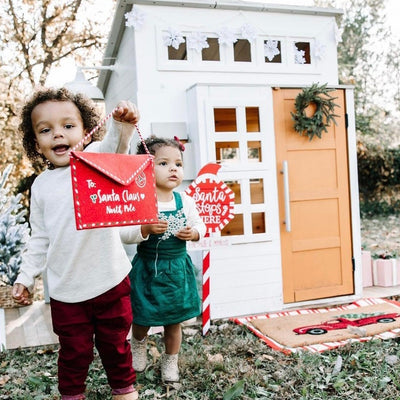
The Ultimate Kids Holiday Gift Guide for 2022
Read more - about The Ultimate Kids Holiday Gift Guide for 2022 within Popular Reads -

How Long Do Kids Play With Dollhouses?
Read more - about How Long Do Kids Play With Dollhouses? within Popular Reads -

Toy of the Year Award
Read more - about Toy of the Year Award within Popular Reads

