
Made for Play
Explore child development through play, find inspiration for your next DIY project, and discover tips for selecting the perfect toys for your little ones.


Latest Articles

Super Bowl Activities for Kids: Fun Ways to Celebrate Game Day
Game day is approaching, and while the adults might be glued to the stats and commercials, the little ones need their own lineup of fun. You don't need a stadium ticket to create a memorable experience. With a winning strategy, you can turn the big game into a family event that keeps everyone entertained from kickoff to the final whistle. Super Bowl Games for Kids of All Ages Start things off with games that grab attention right away. A few well-timed activities can turn downtime into laughs long before anyone starts asking, “Is it halftime yet?” Indoor Super Bowl Party Games Bring the field to the living room or playroom with these indoor games: Touchdown dance-off: Host a touchdown dance competition and let the kids show off their best end-zone moves while you judge with scorecards. Football bingo or word search: Create a football-themed bingo card or word search using common game terms, team names, or Super Bowl snacks. Parents can easily make their own at home by tailoring the words to what their kids already know. Mini football toss: Set up a target in a safe, open area, and let kids practice their throwing skills. Super Bowl Scavenger Hunt This one is a total touchdown for active kids. Hide football-themed items around the house or playroom. You could hide mini foam footballs, team flags, or even snacks. Create a list of clues that lead them to their prize. It keeps them moving and gives you a bit of halftime peace to grab some nachos. Super Bowl Crafts and Hands-On Activities Cue the creativity with these hands-on, imagination-boosting activities: Craft team pennants: Set up a craft station with felt, markers, and glue so kids can design their own team flags. Team spirit face painting: Break out the face paints and decorate their faces with team logos or favorite colors. It’s a sure way to boost team spirit and makes for great game-day photos. DIY jerseys: Let them create custom "jerseys" using old or blank t-shirts. Mini chefs in action: If you’ve got little ones who love to cook, give them their own space to help prepare snacks. For extra fun, check out our play kitchens, perfect for imaginary feast-making while the real food is being served. Super Bowl Activities for Preschoolers and Elementary Kids Looking for even more ways to keep younger fans busy during the game? Consider these options: Pin the football on the goal post: A classic game with a sporty twist. Coloring corner: Set up a quiet space with football-themed coloring sheets. Small world play: Use a dollhouse or themed toy set as a "stadium" where dolls cheer from the balconies. Make Game Day Fun for the Whole Family The best victories are shared. Involve the kids in everything, from decorating the house in team colors to baking cookies. When they feel like part of the team, the day becomes a win for everyone, regardless of the final score. Add in KidKraft toys and activities, and you’ve got a game day that’s just as memorable for them as it is for you. FAQs What are fun Super Bowl activities for kids? Scavenger hunts, touchdown dance-offs, and simple crafts like making team flags keep kids engaged and excited. What Super Bowl games can kids play indoors? Paper football, indoor balloon volleyball, and "Pin the Football on the Goal Post" are safe, high-energy indoor options. What are easy Super Bowl crafts for children? Decorating foam fingers, coloring football helmets, and making bead necklaces in team colors are simple, low-mess crafts perfect for game day.

Playroom Inspiration to Refresh Your Kids’ Space This New Year
As we step into the New Year, resolutions are popping up everywhere. But who says they have to be just for grown-ups? How about giving your kids’ favorite space a fresh start, too? This coming year, transform their playroom into a bright, imaginative haven where creativity, laughter, and a little bit of joyful chaos can thrive. Playroom Inspiration for a Fresh Start A playroom refresh creates a space that encourages learning, inspires play, and helps keep things tidy along the way. With a few updates, you can turn their playroom into a cheerful corner that’s ready for new adventures, creative messes, and plenty of “look what I made!” moments. How to Design a Playroom That’s Functional and Fun What goes into a playroom? It’s a mix of creativity, comfort, and smart organization. The goal is to design a kid-friendly space that gives your child room to play and explore, all in a setting that’s safe, practical, and easy to maintain. Here are some tips: Choose Smart Playroom Furniture The right furniture can transform a playroom from cluttered to clean. A few key pieces can define areas for different activities. This intentional design keeps things orderly and helps children take ownership of their own play area. Here are a few playroom furniture ideas: Child-sized table and chairs: A spot for little artists to paint, build cardboard castles, or make paper crowns before sitting down for a well-earned snack break. Low-to-the-ground bookshelves: Bookcases and bookshelves invite tiny hands to grab their favorite bedtime story or discover a new adventure to nurture their own lifelong love of reading. Multi-functional pieces: An activity table with built-in storage keeps art supplies, building blocks, cars, and train tracks close at hand. It makes it easy to switch from playtime to cleanup in no time. Keep It Organized With Storage Solutions Taming the toy takeover turns the playroom from a daily scavenger hunt into a happy, stress-free zone. No more searching for missing puzzle pieces or that one crayon they have to use. Everything has its place, and playtime stays fun and peaceful for everyone. Give every toy a home: Use bins, baskets, and shelving units to keep things tidy. Opt for clear containers: They help kids see what’s inside, making both playtime and cleanup a breeze. Create designated zones: Think a cozy reading nook, a vibrant art station, or a building block corner. Playroom Decor Inspiration to Spark Creativity Decor sets the tone for any room. Here’s some inspiration for making your child’s space more playful, welcoming, and magical. Pick a captivating theme: Let your child's interests guide you. Are they an aspiring astronaut or chef? Do they love animals or adore fairy tales? Choose a theme that makes the room feel special and designed just for them. Embrace bright, cheerful colors: Match the room’s energy to your child’s. Try bold paint, colorful rugs, or pillows to keep the space feeling playful and inviting. Add personality with wall decals: Want color and character without committing to paint or wallpaper? Removable decals add an individual touch and can be easily changed as your child’s interests evolve. Showcase your child's masterpieces: Displaying their artwork not only personalizes the space but also makes kids feel incredibly proud of their creations. KidKraft Favorites to Inspire Your Playroom Refresh Ready to bring your playroom vision to life? Start with one standout toy that pulls the room together and keeps your little one coming back for more. Here are a few ideas: A classic wooden play kitchen: An interactive play kitchen can become the heart of the playroom, perfect for culinary “creations.” A detailed dollhouse: Great for kids who love creating their own little worlds, complete with tiny rooms and big stories. Themed play sets: Select a themed play set that encourages your child to play out scenarios, like parking cars in a garage or steering their own pirate ship. A train set: Whether it’s looping around the room or winding through wooden towns on a train table, a train set brings endless movement and creativity to playtime. Start the Year With a Playroom Full of Possibility Refreshing your child’s playroom is the perfect way to kick off the new year with a clean slate and a burst of fun. A well-organized space makes playtime smoother, cleanup quicker, and independent play a whole lot easier. With a few updates, you can create a space that feels fresh, functional, and full of good energy—ready for all the games, crafts, and big ideas the year ahead will bring. Discover more affordable playroom organization ideas or shop our outlet and our full collection of kids’ furniture.

The Benefits of Playing With a Dollhouse: Inspiring Imagination and Building Confidence
If you’ve ever seen a child lost in arranging tiny furniture or inventing whole worlds for their dolls, you know the quiet magic a dollhouse holds. Maybe you even had one of your own as a child. There’s something timeless about those miniature doors and little chairs. Dollhouses open up endless role-playing and storytelling possibilities, and it’s through that kind of play that children build skills they’ll carry far beyond childhood. Let’s explore how a dollhouse becomes a stage where a child’s imagination thrives and their confidence grows. How Playing with a Dollhouse Supports Child Development Children can reap some big benefits from those mini homes and mansions. Beyond the fun, dollhouse play helps kids develop important skills in a natural, hands-on way: Fine motor skills: Moving small furniture, opening doors, and arranging figures strengthen coordination. Empathy and cooperation: Role-playing encourages kids to see different perspectives and practice getting along with others. Language and communication: Storytelling builds new vocabulary and helps children express ideas clearly. Emotional growth: The dollhouse becomes a safe place for exploring feelings and working through emotions. Social skills: Playtime with siblings or friends teaches sharing, problem-solving, and collaboration. The Best Age for Dollhouse Play Most dollhouses are designed for children three and up, once small pieces are safe to handle. Preschoolers and early elementary ages are especially ready for this type of play, as their imaginations are expanding rapidly and they’re eager to create social scenarios. Always check the suggested age range on the dollhouse to make sure it’s age-appropriate. How Dollhouses Encourage Imaginative Play Because dollhouse play is open-ended, kids decide what happens next, giving them continual opportunities to experiment with routines and relationships. Observe a child playing with a dollhouse, and you might notice the dolls preparing dinner, putting a baby to sleep, or getting ready for work and school. Minutes later, the scene could shift completely. Suddenly, the dolls are at a dance session, hosting a tea party, or facing a dinosaur stomping through the kitchen. In a dollhouse, everyday life and make-believe live side by side. How to Enrich Dollhouse Play Parents and caregivers can enrich dollhouse play with gentle prompts: “What’s for dinner tonight in your dollhouse?” or “Where will your dolls go on vacation?” Questions like these empower children to take the lead in storytelling, nurturing both creativity and confidence. Choosing the Right Dollhouse and Accessories When choosing a dollhouse, start with your child’s age and personality. Do they dream up stories with pets and families, or are they aspiring interior designers who love rearranging the dollhouse furniture again and again? Sturdy materials and thoughtful touches mean the house will keep up with big adventures, while details like working elevators and moveable staircases make playtime extra exciting. Play evolves with age, and a well-designed dollhouse with interactive features can keep kids engaged, spark new stories, and feel fresh for years. Style counts, too. You might prefer a soft, neutral look that blends with your living room, while your child might be drawn to a cheerful pink mansion or a breezy beach house with vacation vibes. The best dollhouse choice is one that makes a child’s eyes light up, keeps parents happy, and is built for safe, long-lasting play. Inspire Imagination With Dollhouses Encourage imaginative play, growth and self-expression. Explore our dollhouse collections and choose the perfect one to inspire your child’s creativity today.

How to Refresh Your Playroom for the School Year: Playroom Ideas for a Smarter Space
With the back-to-school season here, your routines aren’t the only things due for a refresh—your playroom might be, too. As schedules shift and kids return to the classroom, updating the playroom will help create a space that supports their learning, imagination, and well-being all year long. Small changes can make a big difference in how your child plays, learns, and unwinds at home. Get inspired with these smart, stylish kids' playroom ideas to help you create a space that’s functional, fun, and ready for the new school year! Why a Refreshed Playroom Matters During the School Year A playroom provides more than just a fun space for kids to play. It's a space where they’re free to explore, process emotions, and develop independence. During the school year, a well-thought-out playroom can act as a creativity hub, a learning center, and even a much-needed emotional reset after a long day in the classroom. With a few thoughtful updates, your playroom can serve to spark imaginative play and support quiet study time, while keeping things tidy enough to keep your sanity intact. How to Design a Back-to-School Playroom That Works for Your Family Every family’s needs are different, which is why flexibility is key when refreshing your playroom for the school year. Aim to create a space that can easily transition from creative chaos to quiet focus—and back again. Below are some playroom design ideas to get you started: Incorporate Study Zones and Quiet Corners Designate a small area with a child-sized desk or activity table where kids can do homework, color, or build puzzles. Keep supplies like crayons, paper, or flashcards within easy reach to encourage independence. Add a beanbag, floor cushion, or teepee tent nearby to create a soft, quiet space for reading or decompressing after school. Combine Learning and Play with Flexible Layouts Instead of dividing the room by “fun” vs. “focus,” look for ways to blend them. Use rugs or low shelves to define different activity areas, but keep the layout adaptable. For instance, a play kitchen or dollhouse next to a book basket allows your child to naturally flow between imagination and learning without rigid boundaries. You might also want to check out our toddler-specific playroom set-up tips. Small Playroom Ideas That Make a Big Impact Working with a limited footprint? No problem. Some of the best children’s playroom refresh ideas come from thinking creatively about layout and furniture. Check out these playroom storage ideas and organization ideas: Use Vertical Storage and Foldable Furniture Wall-mounted shelves, hanging organizers, and over-the-door pockets maximize vertical space without crowding the room. Look for foldable tables and stackable stools that can be easily tucked away when not in use to keep the space flexible and clutter-free. Choose Compact, Multi-Purpose Play Pieces Opt for toys and furniture that serve more than one purpose, like a storage bench that can double as a reading nook. Pieces that work harder make small spaces feel bigger and more functional. Back-to-School Playroom Refresh Ideas on a Budget Refreshing your playroom doesn’t have to mean a full makeover. Start with what you already have. Some budget playroom ideas include rearranging furniture, rotating toys, and adding a new rug or wall decals—all of which can completely change the vibe of the space. You can also shop secondhand for bookshelves or baskets, or repurpose household items like spice racks for book displays or mason jars for craft supplies. Even a $10 label maker can feel like a game-changer when it comes to keeping things organized and kid-friendly! Playroom Storage and Organization Ideas to Keep Things Tidy Let’s face it: A playroom is only as good as its storage system. And the best playroom storage system is one that makes it easy for kids to find what they want and put it away when they’re done. Rotate Toys by Theme or School Schedule Instead of keeping everything out at once, try rotating toys based on interests, seasons, or what your child is learning in school. This keeps playtime fresh and focused while helping to reduce clutter. You’ll be amazed at how “new” a toy feels just because it’s been in hiding for a few weeks. Label Bins to Encourage Independence Use picture or word labels (or both!) to help kids identify where things go. Clear bins are great for visibility, but even opaque ones work well with visual labels. When kids can see and understand the system, they’re much more likely to clean up on their own.. Make Your Playroom Shine This School Year A well-designed playroom is a powerful tool for supporting your child’s development, creativity, and emotional well-being throughout the school year. With a few smart updates based on these refresh ideas for a child’s playroom, you can create a space that feels new, works better for your family, and grows alongside your kids. For even more inspiration, check out our additional playroom ideas. Refresh your playroom with smart, stylish solutions from KidKraft.

Mother's Day Crafts & Activities for Kids
Fun & Easy Ideas to Celebrate Mom Mother’s Day is the perfect time for children to shower Mom with love—and what better way to do that than with some easy crafts and fun activities that create lasting memories? If you need inspiration, we’ve got creative ideas that will make Mom feel extra special. And don’t worry, no fancy supplies or stress required! Easy Mother’s Day Crafts for Kids Moms love to receive handmade gifts from their little ones! These simple Mother’s Day art projects are a fun way for kids to make something special that Mom will cherish forever. Handmade Mother’s Day Cards A store-bought card is nice, but one made with tiny hands is even better! Let kids go all out with markers, stickers, and whatever crafty supplies you have on hand. They can add a heartfelt message, a drawing of Mom, or even a fun pop-up surprise inside. “Reasons I Love You” Jar This simple but meaningful craft is a gift Mom will treasure. Have kids write (or dictate) reasons they love their mom on small slips of paper, then fold them up and place them in a decorated jar. From lighthearted (“You make the best pancakes!”) to sentimental (“Your hugs always make me feel better”), these little notes will make her smile every time she pulls one out. Thumbprint Family Tree Canvas This keepsake-worthy craft turns little fingerprints into a beautiful family tree. Start with a blank canvas and paint a simple tree trunk and branches. Then, have each family member add their thumbprint as a “leaf” using different paint colors. Add names next to each print for a personal touch. It’s a one-of-a-kind masterpiece Mom will love. Fun Mother’s Day Activities for Kids Beyond giving Mom gifts she’ll cherish, Mother’s Day is also about making her feel special by spending quality time together. These fun and simple activities let kids take the lead in planning a day Mom’s sure to love. Playhouse Garden Surprise @the.rosie.home Creating unforgettable moments with the @KidKraft Riverscape Playhouse! 🌸🌿 It’s the perfect way for our family to bond and get outdoors, encouraging classic, screen-free play that kids can enjoy all year round. From planting flowers in the garden boxes to pretending they’re in their very own world inside, this playhouse brings fun and imagination to life! ✨ Made to last for generations, KidKraft products are crafted with care and quality, so you can count on them for outdoor adventures year after year. 🏡 #KidKraft #RiverscapePlayhouse #BackyardFun #KidKraftPartner #Ad ♬ Happy Fun - Korandrino What’s better than a bouquet of flowers from your local florist? A playhouse that can be used as a flower shop for Mom and the kids to enjoy together! If your little one’s playhouse has built-in garden boxes, turn it into a sweet and simple Mother’s Day activity by picking flowers from the yard or garden together and creating a special flower bundle. Then, plant the blooms side by side in the playhouse planters to brighten up the space—and set up a pretend flower shop while you’re at it. It’s a fun, hands-on way to bond and make lasting memories while getting a little messy. Mother’s Day Breakfast in Bed Let Mom start her special day with a little extra relaxation and a delicious homemade breakfast. Kids can take charge (with a little help, depending on their age) by preparing a simple tray of fruit, toast and juice or setting up a pretend feast with their play kitchen. Outdoor Picnic & Storytime Turn Mother’s Day into a mini outdoor adventure with a cozy picnic in the backyard or at a local park. Pack some favorite snacks, grab a comfy blanket, and bring along a few of Mom’s favorite children’s books. An outdoor picnic with some reading baked in is the perfect way to unwind, cuddle up, and enjoy some quality time together. Final Thoughts The best Mother’s Day gifts are the ones made with love and shared with joy. Whether it’s a heartfelt craft, a special meal, or a fun outdoor activity, these simple ideas help kids show Mom just how much she means to them. And if you’re looking for the perfect playhouse, pretend kitchen, or outdoor setup to make these moments even more magical, you’ll find KidKraft products are designed for creativity and fun!

Best Art Easel for Kids
Wiping watercolors off your dining room table has gotten old, and you’re in the market for an art easel for your budding impressionist. Great choice! Art easels not only help you reclaim your space from arts-and-crafts sprawl, but they also encourage a love of creativity and expression in your little ones. This guide will help you decide exactly what you’re looking for and point you to the perfect easel for your space and your little artist. What are easels? An easel is a simple (but game-changing) tool for little Picassos. It’s a stand that holds paper or a chalkboard at just the right height, giving kids a dedicated space to draw, paint, and create. Most kids’ easels come with fun extras like a dry-erase board, a chalkboard, or even a roll of paper for endless masterpieces. What age are art easels for? Art easels are great for toddlers and beyond. Many are designed for kids as young as 2 or 3 years old, with adjustable heights so they can grow along with your child. Is an easel good for kids? Absolutely! An easel is fun for kids to use, but it also helps them develop fine motor skills, hand-eye coordination, and creativity. Standing while drawing or painting also encourages movement and better posture. Plus, having a designated art space keeps the mess (somewhat) contained, so you can enjoy their creativity without finding crayon doodles on the walls! What should you look for in a kid’s art easel? Size Two things to consider here: the space you have in your home and the size of your little one. If you don’t have room for a standalone easel or if you’re buying for a toddler, tabletop easels are a great choice. For standing easels, a height of 45- 51” is ergonomically correct for kiddos 3 and up. Tots 3 and under can use these easels as well, though they may need a stool to reach the top. If you have ample space, you may even consider a full art table instead of an easel. Construction This goes without saying, but sturdy is better when it comes to anything your kids will be using frequently. Flimsy, wobbly easels are a paint splatter waiting to happen. Storage Art easels with storage trays and bins keep supplies handy as your kid’s work and help minimize messes (for the most part – we are talking about kids and paint here after all). Larger trays also provide a place for those messy masterpieces to dry. Accessories If you’ve been browsing through paint easels for kids, you’ve probably rolled your eyes at a few features (blacklights, anyone?). But some accessories really do enhance your kids’ time at their art station. Mess-free paint cups, clips for hanging wet paintings to dry, and storage caddies keep art time organized and fun. Artistic Mediums Okay, so “artistic mediums” in this case is just a fancy term for “Can my kids do more than paint?” Paint easels for kids that also have built-in chalkboards, dry erase boards, and art paper rolls helps kids explore different ways to create. Because kids can easily switch back and forth between mediums, they’re less likely to get bored with their easel, and you can really see their creativity shine! Best Art Easels for Kids Now that you’ve got an idea of what you’re looking for in your little ones, here’s a lineup of our best easels for the kids in your life! Deluxe Wooden Easel $154.99 This sturdy wooden easel manages to look both fun and chic. A large lower tray is ideal for storing supplies and paintings, and smaller upper trays keep brushes, chalk, and markers handy. Create N Play Art Easel $109.99 The Create N Play Art Easel is a 360° double-sided easel with a chalkboard, whiteboard, and a built-in paper roll holder for endless creativity. Bungee cords keep paper in place, while paint cups, trays, and side organizers neatly store supplies. A lower drying shelf adds convenience, making this easel a perfect all-in-one creative station for kids! Storage Easel $124.99 A must-have for the little artists in your home, this easel features a double-sided design with a dry-erase surface on one side and a chalkboard on the other. It also comes with convenient and sealable spill-proof paint cups, easy-clean plastic trays, and removable storage bins to keep supplies organized. Art Table with Drying Rack and Storage $184.99 Alright, it’s technically not an easel, but if you have space, this art table is definitely something to consider. With ample storage and organizers, this table makes a great workstation for all your kiddo’s arts and crafts projects. An art easel is great for kids of all ages, providing a space for them to explore their creativity, develop important skills, and have fun while learning. Whether your child is a budding artist or just loves to doodle, the right easel can inspire hours of imaginative play! Shop all our wooden kids’ art easels here. *Prices are correct as of the publication of this article.

Our Top Wooden Train Set Picks for Kids
A quality wooden train set is such a classic toy that it’s hard to go wrong. But finding the perfect wooden train set for your kids may take a bit of internet sleuthing. You’ll want a set that’s aligned with your little ones’ interests and skill levels and fits into your space and budget. To spare you the work, we’ve compiled our favorite toy train picks for every age, budget, and home in this list! Best Budget Pick: Figure 8 Train Set At under $30, the Figure 8 Train Set is a budget-friendly pick that can grow with your child and your budget. Toddlers and preschoolers will have everything they need to start their love of trains and creative, constructive play. The simple design is perfect for toddlers and preschoolers who are new to train and track building. When they’re ready for more, this set makes a great addition to any other KidKraft train set. Best Starter Set: Bucket Top Mountain Train Set At $50, the Bucket Top Mountain Train Set is another affordable intro to the world of trains and buildings. Preschoolers will find plenty to do with this mountainside train adventure. From perfecting fine motor skills necessary to assemble tracks to exploring imaginative play with helicopter rescues and cascading waterfalls. When they’re ready to add to the adventure, combine it with the KidKraft train expansion pack or any other KidKraft train set. Best Space Saver: Building Bricks Play N Store Table Love the idea of a train table for your train enthusiast but not sure if you have space? Our Play N Store Table is the perfect choice with 200+ building bricks that offer endless creative possibilities for your little builders. Even better? If you need to clear up room, but your little one’s creations aren’t exactly finished, the storage bins can keep them safe until its time to play again. Best for Imaginative Play: Ride Around Town Train Set & Table The Ride Around Town features four different scenes ranging from farm to town to busy airport. With so many different places to visit, it’s the perfect backdrop to inspire all of your little one’s make believe adventures. Best for Dino Lovers: Adventure Tracks Dino World If your little ones two great loves are trains and dinosaurs, trust us, you’re not alone. Kids like yours were the inspiration for our Adventure Tracks: Dino World train sets. Toddlers and preschoolers can start off with small tracks like the Stego Loop, a dino-themed figure 8. Older kids can jump right into the spiraling tracks of Volcano Escape. Or simply add a few Prehistoric Pals to your kiddos current train set. For the Dino obsessed, we have the perfect solution. The Adventure Tracks Dino World Rumble & Roar Complete Set includes it all. With 76 pieces, your little paleontologist will have endless pretend play possibilities. Best Train Table for Easy Assembly: Adventure Town Railway Train Set & Table Hate assembling furniture? We get it. While all of our train tables can be assembled quickly, the Adventure Town Railway Train Set & Table is complete with EZ Kraft Assembly,™ making it our easiest train table to assemble. You can go from unboxing to playtime in just five minutes – no tools required. Most importantly, the 120-piece train set will delight your little train lover as they build and conduct through their own mini city. Best for Experienced Train Track Builders: Airport Express Train Set & Table If you have a long time train lover in the family, they’ll love the challenge and detail of the Airport Express Train Set. This set 91-piece set features elevated and spiraling tracks and all the excitement of a real airport –landing strips, airplanes, a control tower, and a helipad just to name a few. Want to see more before you commit? Check out our full selection of toy train sets and train tables – we know you’ll find something you and your kids will love for years to come!

5 Tips to Keep Your Kids Organized and Focused
If 2020 has your kids feeling a little scattered and distracted, you are so not alone. This school year may be unpredictable, but there are still things we can do to help our kids tackle virtual learning feeling focused and organized. Well, as focused and organized as elementary schoolers can be. Here are our top five tips to help your kids learn, focus, and thrive...even in the 2020 chaos. Create a kid-friendly workspace You’ve heard that you shouldn’t work in bed or on the couch, right? The same holds true for kids. When we try to work in the same place we usually relax, our brains tell us “Hey, let’s watch TV or take a nap instead!” Creating a space that’s dedicated solely to work creates the opposite effect. When your kids sit down for class and homework, their brains will get down to business. Ideally, this workspace will be ergonomically designed for kids and used just for work and creative projects. If space and budget allow, a kid-sized desk and chair in a quiet part of the house is usually your best solution. When that’s not possible, a few hacks can make your dining room table a school-friendly workspace. Try to transition from “eating space” to “workspace” each day by completely clearing off dishes and laying out school supplies (and vice versa when it’s time to eat). A few extra touches, such as adding a desk lamp or rolling in a mini storage locker, will make the switch feel more fun for your kids and help their brains distinguish between school time and mealtime. Whatever you do, the main goal is to make the space comfortable for your kids, organized, and free of distractions like non-school technology. Make a place for everything When it comes to kids’ desk organization ideas, start with this classic: “A place for everything, and everything in its place”… Sure, it’s a cliché, but it’s a mantra of pre-K classrooms for a reason. Kids work and focus better in an orderly environment. Plus, if they don’t need you to find their erasers or iPad, you just may get to finish a hot cup of coffee one of these days! And no, you don’t need to give the entire house the Marie Kondo treatment to see benefits – you have enough on your plate as it is! Just keeping the kids’ workspace tidy will save you all some headaches in the long run. Take inventory of the supplies your kids use frequently and help make sure every item has a designated home. Since you have a lot more school supplies than usual in the house, it might be worthwhile to invest in organizing tools like pencil holders, paper trays, kid-sized bookshelves, and storage lockers. Get the kids involved As any parent knows, no organizational system lasts for long if the kids aren’t on board. To get them more excited about keeping their workspace tidy (and about virtual learning in general), let them have some fun as you set up the space. Letting them pick out their own desk, decorate the area with their own crafts, and or simply decide how they want to organize their school supplies can give them a sense of ownership of their workspace. When it’s time to tidy up at the end of each school day, make it as fun as possible with songs, challenges, anything your little one will be into. Stick with it and eventually, keeping their “school” area clean and organized will just become a habit. Set predictable daily rhythms In the unpredictability of this school year, routine and predictability at home are your friends! Think flexible but consistent routine rather than strict, to-the-minute schedules. Hang up a dry erase board or a visual schedule in your kids’ workspace to help them know what to expect. Checking off the list or referring to the pictures each day is a simple way to give them a much-needed sense of stability. Have recess at home Think of recess as a magic reset button for your child’s focus. Research shows that kids tend to have better focus when they get a break to just play. So as you’re making that schedule, work in a recess or two! Ideally, this time will be for kid-directed play in the great outdoors (aka the backyard or local playground). The most important thing is that your child spends this time moving, playing, and burning that extra energy. And for those dreary rainy days? We’ve got you covered with these rainy day activities for the whole family! You’ve got this, parents!
-

Ideas for Setting up a Kids Reading Corner
Read more - about Ideas for Setting up a Kids Reading Corner within Popular Reads -

Kids Bookshelf Styling Tips
Read more - about Kids Bookshelf Styling Tips within Popular Reads -
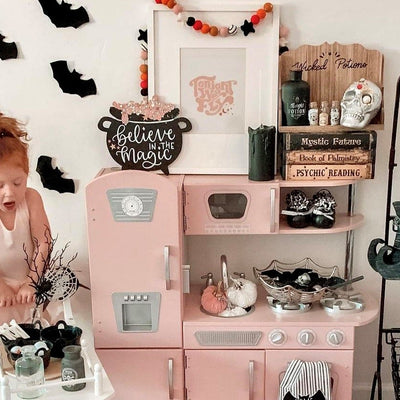
7 Halloween Ideas for Toddlers
Read more - about 7 Halloween Ideas for Toddlers within Popular Reads


