
Made for Play
Explore child development through play, find inspiration for your next DIY project, and discover tips for selecting the perfect toys for your little ones.


Latest Articles

8 Activities Using Play Food for Kids
We all know that play kitchens and the play food that comes with them are great for dramatic play. I mean, who doesn't love being served pizza-watermelon-cookie soup by their toddling chef? But your kids’ pretend food makes a great addition to other activities too! Here are 8 new ways you can put that pretend food set to use in these food play activities for kids of all ages. Sorting Sorting is naturally fun for kids! They have a natural desire to find patterns, opposites, and categories. Play food sets offer all kinds of sorting activities for toddlers and preschoolers. Toddlers can sort by color, and older children can use more abstract concepts to sort the food items. (Which foods are for breakfast/lunch/ dinner? Which foods are sweet/ sour/ savory? Which foods are served hot or cold?) Mystery Bags Stereognostics, aka mystery bags, are a classic Montessori-inspired activity. To make one, put a few different objects in an opaque bag. Have your child reach in and feel the objects, describe them, and try to identify them, all without taking a peek. This activity helps your child develop their tactile senses, vocabulary, and reasoning skills. Play food presents a great challenge for this activity! Because most pieces of play food have a similar texture and weight, kids will have to use their fingers to explore the shapes to identify them correctly. This added challenge is perfect for older preschoolers who have already mastered mystery bags with easier-to-identify objects.. Learning Fractions Toy foods like this apple pie or cake set are perfect manipulatives for introducing fractions. Abstract number concepts can be tough for kids, but make that concept tangible and dessert-related? Now that’s something they’ll get on board with! Shopping & Math If your school-age kiddo loves to play restaurant or shopkeeper, have them create their own price list for each of the food items. When it’s time to pay the bill, you can add up the total together. This activity is especially great for introducing the concept of multiplication to school-age kids. (If I want to buy three pizza slices, and you charge $2 per slice, how much should I give you?) Raid your Monopoly box for pretend money or make your own for even more fun! Clay Models Add a little challenge and inspiration to play dough time by asking your child to make their best playdough or clay version of their play foods. Play food items are the perfect level of difficulty for this kind of activity: simple and easy to make yet interesting and intricate enough that your kids will enjoy trying to copy them. Stencils and Stamps Bring your play food set into the craft area for fun food-inspired art! Use them as stencils, letting kids trace the outline and then color and draw inside. Or pour a small amount of washable paint onto paper plates, and use them as stamps! Sensory Bins Sensory bins are all the rage on Pinterest, Instagram, and pretty much every mom blog around. And yes, they live up to the hype! While there are all types of sensory bins, a classic version includes a base like dyed rice, beans, or kinetic sand along with smaller objects and toys. Kids love pouring, digging, and sifting through the base to find the toys, and play foods make a perfect addition. Since sensory bins are often themed around holidays, seasons, and other categories, toss in a few play foods that fit your theme!Looking to shop for the perfect play kitchen or pretend play toy by age? Explore our selection for 2-to-4 year olds and 3-to-5 year olds now.

St. Patrick's Day Activities for Kids
Corned beef, cabbage, and beer are definitely not kid-friendly cuisine but never fear – there are a ton of fun (and yummy) ways you can celebrate St. Patrick’s day with your kids. Make your kids feel like the luckiest little leprechauns in town with these eight St. Patrick’s Day activities for kids! Dress Up in Green The pinching thing we can do without, but dressing up in your greenest garb is always fun! If your kids are in school, put a fun outfit together the night before. If you’ll be spending the day at home, get a little goofy with it and challenge each other to put on as many green items as you can. Read all about St. Patty’s Day We love this list of Irish-themed kids books from A Teachable Teacher. If you don’t want to spend money on new books, odds are your local library has some fun kids’ books that feature St. Patrick’s Day, Ireland, or leprechauns. If they’re all checked out, check out National Geographic Kids’ quick facts on St. Patrick’s Day. Make Irish Soda Bread If your child is old enough to help in the kitchen, whip up a loaf of Irish soda bread together. Don’t be intimidated by the idea of making bread – Irish soda bread comes together easily, doesn’t need any yeast or special flours, and can be baked on a regular old baking sheet. Make fizzy shamrocks This fizzy shamrock activity is equal parts craft and science experiment. It’s a simple St. Patty’s Day-themed take on the classic baking soda and vinegar experiment. A little green food coloring and some paper are the only other materials you need, making it the perfect activity if you don’t want to shop for new craft supplies. Serve something green While you’ve got that green food coloring on hand, put it to good use by surprising your kiddo with a green snack or drink. Even something as simple as green milk in the morning is enough to put a smile on their face! Do a leprechaun photoshoot Image from The Crafting ChicksLeprechaun hats and beards make the perfect photo booth props. Craft your own, download and print some, or find a set online or at a party store near you. Craft shamrock window hangings Image from A Little Pinch of PerfectYou have a ton of options when it comes to shamrock crafts, but we’re partial to these colorful tissue paper shamrocks. They look lovely in the sunlight, and they’re perfect if you have a variety of ages. Older kids will have fun designing their “stain glass” cutouts, and preschoolers and toddlers will just love the chance to use a glue stick! Lucky Leprechaun Scavenger Hunt We love this easy St. Patrick’s Day game from Play Party Plan. All you need for the Lucky Leprechaun Scavenger Hunt are common household items and the free printable checklist. Once your little one has checked off the list, extend the game by asking them to hide their “treasure” like a leprechaun and play “Hot or Cold” as you search for the items!

5 Easy Recipes for Kids to Facilitate Learning in the Kitchen
Your house is already equipped with one of the best teaching tools around your kitchen! Helping out in the kitchen provides kids with a variety of sensory experiences, a sense of independence, practical life skills, cultural awareness, early math skills, and rich daily experiences to fuel their dramatic play. And no worries if you’re not much of a cook yourself – kids don’t need complicated recipes to learn in the kitchen! Here are 6 easy recipes for kids to help facilitate learning Gluten-free Cheese Crackers Image from The Big Man’s WorldThis cheese cracker / chip recipe may be from The Big Man’s World, but it’s the perfect easy snack for little hands to make! These healthy take on cheese crackers have just a few ingredients and can be baked to your desired texture. Bake slightly less than the recipe recommends for a softer texture, or bake for the full time for a crisp, chip-like texture.Kids will love all the fun tools they get to use with this recipe: big spoons or whisk to mix the melted cheese and almond flour, rolling pin to roll out the cheesy dough, and pizza slicer or cookie cutter to cut their crackers. Show them how they can cut the dough into different shapes and sizes, naming each shape as you go! (Just be sure the melted cheese isn’t too hot before you let them handle it!) Cinnamon Apple Crisps Image from Healthy Little FoodiesA healthy kid-friendly snack with just two ingredients? Yes, please. These cinnamon apple crisps are a perfect treat for any time but especially for cozy fall days. Young kids can help sprinkle the cinnamon and arrange slices on the baking sheet, and older kids can help cut the slices. (Just be sure to core the apples first to make them easier to manage, and of course, supervise their use of knives and slicers). Use a variety of apples to teach kids about colors and plant varieties. Equip them with descriptive language for each type of apple: “The green ones are tart and crisp, and these yellow ones are juicy and sweet!” For a fun mini-geography lesson, use a map to show older kids where each type of apple is grown. Tortilla Pizza Image from Healthy Little FoodiesThis easy approach to homemade pizza is another kid-friendly gem from Healthy Little Foodies. This easy lunch idea is perfect for homes with multiple picky eaters because each kid has full reign on their own personal-sized pizza. They can spread their sauce, sprinkle the cheese, and add their favorite toppings. They’ll be having so much fun, they won’t even notice that you’re sneaking in a lesson on circles and fractions as you slice the pizzas together! Kid-friendly Sushi Image from Mindful MommaCooking is a chance to introduce your kids to flavors and cooking practices from around the world! These kid-friendly sushi wraps are a great intro to the salty and umami flavors of soy sauce and nori. Plus, sushi rice is so fun to play, er… “cook,” with! If you’re up for a little mess and creativity, let kids mold the rice into different 3D shapes before adding their desired veggie toppings and wrapping with nori strips. It may not be traditional, but it sure is fun! Fruit Rainbow Image from Two Healthy KitchensEat the rainbow, learn the rainbow! And get in a little protein and healthy fats while you're at it with the “pot of gold” egg! This super simple recipe is a yummy way to help kids learn the colors of the rainbow and why it’s healthy to eat foods of all different colors. This one is simple enough that kids can proudly prepare it in their play kitchen all by themselves! Just provide the cut fruit and watch them get to work! (Make sure to cut grapes and other choking hazards well and always supervise!)Don’t be surprised if your kids want to keep the cooking fun going all day long! While you may not be able to spend all day with them in the real kitchen, a play kitchen and a few realistic accessories are great developmental toys to help them explore that interest through dramatic play!

6 Ideas to Break Up Kids' Tech Time
If your child’s screen time is starting to feel out of hand, you are so not alone. Managing screen time is always a challenge, but these days, it’s extra tough. Virtual learning is adding hours of screen time to kids’ days and cutting out extracurriculars and playtime with peers, leaving kids even more prone to turning to tech for entertainment. So what’s a busy parent to do? First, let go of any parental guilt – this season is tough. Second, try to work a few of these back-to-basics ideas into your kids’ daily routine to get them moving, creating, and using their imaginations! Cook Something Even if “cook” just means “spread-peanut-butter-on-toast” for your kid, giving them something to do in the kitchen is a great sensory and fine motor activity. Scooping and measuring build math skills, and kids are more likely to try food they helped create. For a few ideas, check out these kid-friendly recipes you can make together! Craft Something Craft areas and maker spaces don’t have to be fancy or expensive to be effective. And you don’t have to plan out Pinterest-worthy crafts. In fact, there are real benefits to open-ended art projects that let kids take the lead. With a few basics, kids are great at coming up with their own ideas. Stock your craft station with a few age appropriate supplies like safety scissors, glue sticks, pipe cleaners, popsicle sticks, paper towel rolls, craft pom poms, metal brads, and construction paper. (Of course, adjust according to the age of your kids!) Build Something Constructive play with things like blocks, building bricks, magnetic tiles, train sets, or play dough is engaging and brain-boosting. If your kids lose interest in building quickly, play with them to model how you can create and come up with your own ideas. Before long, they’ll be constructing their own masterpieces. Get Outside Making outdoor time a priority might be the single most important thing we can do to reduce our kids’ screen time and help them stay healthy and active. Investing in outdoor toys like playhouses, sandboxes, and swing sets is a great way to make the backyard more enticing. Walks, nature scavenger hunts, bike rides, trips to the park, and a backyard garden are other ideas that can become an easy, fun part of your regular routine. Make Reading Fun We all know how great reading is for kids. But if we force them to shut off their favorite app and pick up a book, reading can start to feel like a punishment instead of something fun – and what a shame that would be! To raise lifelong readers, try keep reading time fun, kid-led, and low pressure. Keep their bookshelf fresh with weekly visits to your local library (or weekly pickup if your library is closed). Read together with your best voices. Let them see you reading books that you really enjoy. Set up a cozy reading nook and let them decorate it with their own art and favorite pillows, blankets, and plushies. Offer special treats like herbal teas or frothed milk to make reading time even cozier and happier. Use Tech to Inspire Play If your kiddos are still clinging tightly to their TV time, use that interest to your advantage with pretend play inspired by their favorite characters. If they’ve been playing Netflix’s Over the Moon on repeat, “bake” some of those famous mooncakes together in their play kitchen. If they’re all about the princess category on Disney+, princess-themed dolls and dollhouses are sure to be a hit. Whatever they’re into, use it to re-spark interest in roleplay, pretend play, and open-ended toys. Hang in there, parents! You’re doing great.

How to Set Up A Playroom for Toddlers
You hear the clatter of tons of toys being dumped out of a box, followed by “Mama! Mama! MAMAAA!,” and finally the patter of little feet coming to find you. Sound familiar? While toddlers do need plenty of play time with parents and other caregivers (and no complaints here because those cuddles and giggles are life), independent play is also an important skill for your toddler to develop. We can set them up for success by providing a toddler-friendly play space that meets them where they’re at developmentally, but with so many differing opinions about what’s best for kids, doing that is easier said than done! We’re here to cut through the confusion with three super simple tips you can implement to set up the perfect playroom for your toddler. Stock quality toys and activities First, let’s tackle the types of toys you keep in your toddler’s playroom. According to the official Toy Buying Tips for Babies & Young Children from the American Academy of Pediatrics, simple is often best. They break down their recommendations into the following categories: Symbolic and pretend play Simple toys that encourage dramatic play are perfect for encouraging growing imaginations. These don’t have to be elaborate, fantasy-based toys. Toys that mimic everyday objects and activities are great for toddlers. The AAP recommends things like “toy characters (such as dolls, animals, and action figures) and toy objects (like food, utensils, cars, planes, and buildings)”. Simple play kitchens and kitchen accessories, baby dolls, dollhouses, and playsets based on real-life all fit the bill. Fine motor/ adaptive/ manipulative The AAP recommends “‘traditional favorites’ (like blocks, shapes, puzzles, and trains)” to help your toddler develop their fine motor skills, problem solving skills, and language and brain development. Art Again, simple works. An art space with a few basics like crayons, stickers, and coloring books, is a great starting point for toddlers. Language / concepts Books are one of the best language-developing tools you can give your child, and they definitely deserve a spot in your playroom! Gross motor / physical It’s no secret that toddlers crave challenging ways to move. Balls, climbers, push wagons, pull toys, and riding toys will help your toddler get enough physical activity and develop their gross motor skills.As far as what not to buy, the AAP cautions against toys that are built to replace human interaction (such books that read for you), excessive screen time, and too many “sensory-stimulating noise and light toys.” They also encourage giving kids a wide variety of toys to avoid gender stereotypes – remember that play kitchens and dolls aren’t just for girls, and action figures and trains aren’t just for boys. Display toys and books at your toddler’s level Now, how do you actually get them to play with those perfect toys? First, make sure your toddler can actually see and reach them easily. Closed off storage and high shelves are not your friend here. Whenever possible, go for low, open shelves and open displays. Forward-facing bookshelves are perfect for toddlers because they allow them to see the covers as they choose a book. Don’t overwhelm them with choices We can’t talk about displaying toys without talking about how many toys you display. Toddlers are easily overwhelmed by clutter, so providing just a few options at a time will help them focus and play for longer. Keep out 1-3 toys from each of the categories above, and put the rest away in a closet. Then, rotate toys in and out of the playroom to keep your toddler’s interest. We also love the Montessori-inspired principle of displaying each toy separately. For open shelves, make sure there’s plenty of space between each toy, and for open bins and cubes shelves, only display one toy or activity per unit bin / cube. These three simple principles – quality toys; low, open displays; minimal clutter – work whether toddler’s play space is in the living room, their bedroom, or a dedicated playroom. You’ll have a toddler-friendly space to encourage plenty of play and reading time together and gradually more and more independent play (hallelujah!).

Buying Guide: Toddler Beds
Move over, crib. Twin-sized bed, wait your turn. Toddler bed? It’s your time to shine. If your little snoozer is looking kind of crammed in their crib or has learned the art of escape, it’s time to make the switch. Our checklist will help you pick a toddler bed that lasts, looks great, and helps your kiddo get a great night’s sleep! Size A toddler bed should help your little one safely explore their newfound independence and feel secure as they transition out of their crib. A bed frame that’s low to the ground keeps even the youngest toddlers safe as they climb in and out of bed. While some cribs can transition into toddler beds, they tend to be higher off the ground than regular toddler beds. Investing in a lower toddler bed might be worth it, especially if your child is under two years of age when they switch. Railings Toddlers are notoriously wiggly sleepers and don’t always have the spatial awareness to keep themselves from falling out of bed. Look for railings that’ll keep your little one safely in bed through the night. For most toddlers, a short partial railing near the headboard does the trick. If you’ve got an extra-wiggly sleeper, you may want to look for rails that come farther down the bed. Mattress size Before you make your pick, make sure that your new toddler bed is compatible with your current crib mattress! Bonus tip: don’t forget to flip the crib mattress to the toddler side if you haven’t already. It’s softer than the extra-firm infant side. Construction Sure, a toddler bed only has to last a few years, but it has to survive the toddler years. Whatever your toddler dishes out, you need a bed that can take it and still keeps them safe night after night. This probably isn’t the time to order from an unknown company on Amazon – especially if you plan to pass the bed down to younger siblings. A brand’s overall reputation and parent reviews are great ways to make sure you’re getting a quality product. Design Never underestimate the power of a cool racecar bed. Whatever your little one is into from princesses to firetrucks, choosing a fun, themed bed can make them more excited about their “big kid” bed. Of course, simple classic designs have their advantages too. They probably look more similar to their crib, which might be comforting for your kiddo. They’re classy and cute, and they’re usually gender-neutral enough to work for any kid’s room. Whatever you’re looking for, KidKraft’s line of toddler beds is time-tested, affordable, and pretty adorable if we say so ourselves. From clean and modern to whimsical and fun, we’ve got a bed that’s perfect for your toddler.

Dreamy Nights, Peaceful Sleep: Crafting the Perfect Toddler Bedtime Routine
Bedtime with your toddler doesn’t have to be a struggle – no, really. If you’ve ever wondered how to get your toddler to sleep, a bedtime routine that’s consistent and customized for you and your littles can make a world of difference. Here are our tips to help your toddler fall asleep and enjoy every step along the way… well, almost every step. Choose activities you both enjoy You always hear that bedtime should be calming for your little one. But it’s just as important that you enjoy the bedtime routine too. If you find it taxing and stressful, your toddler is sure to pick up on your energy. If you genuinely enjoy it, they’ll feel your calm and happiness instead.Are you so tired of reading Goodnight, Moon every night? Swap it out for something fresh. Is it always a fight to get your little one into PJs? Try meditating before bedtime so you can stay calm even if they’re on the verge of a tantrum. Still can’t get into it? Try keeping a gratitude journal for a couple of weeks to help you focus on all there is to love about this time. Whatever you have to do, do it. You deserve to love this time too! Time it right to cut down on toddler bedtime struggles Consistent bedtimes are game-changers for toddler sleep. Your child will be less resistant to bedtime when they know what to expect each evening and when to expect it. Plus, you’ll help regulate their circadian rhythms, so they’ll naturally begin to feel tired around bedtime each evening. Consistency helps them enjoy their bedtime routine more and get better sleep –– which is a win for everyone.Most experts recommend a bedtime between 7-8:30 pm for toddlers. This lines up with their natural wake time to give them the recommended 11-12 hours of nighttime sleep. You can find the bedtime sweet spot for your kiddo by observing their behavior before bedtime and upon waking up in the morning. Overtired kids often get extra hyper, cranky, clumsy, and sleepy before bed and may wake up too early; these guys could benefit from an earlier bedtime. Signs that bedtime is too early include not being sleepy at all during bedtime, fighting sleep for more than thirty minutes after being tucked in, and rising too early. Try moving bedtime in 15 minute increments until you find the right fit. Do the not-so-fun parts first Even with perfect timing and a perfectly zen parent, there are bound to be a few aspects of bedtime your kiddo isn’t so crazy about. Brushing teeth, changing diapers, washing hair, and drying off (BRRRR!) are all common culprits. As much as you can, try to do the activities your child doesn’t love first and then cozy up for the fun parts! Common toddler bedtime routine activities Pick, choose, and change the order until you find the perfect routine for your toddler! Pre-bedtime milk or snack Asking for a snack before bed isn’t always a stalling tactic. Toddlers have tiny tummies, and many nutritionists recommend offering a cup of milk, a healthy snack, or a nursing session before bed to keep them full through the night. Teeth brushing It’s a must, but most toddlers don’t love it. To make it a little more fun, try new toothpaste flavors, give them a second toothbrush to hold, let them have a turn to brush, or even let them brush your teeth. If you can, enlist a second person for distractions like patty cake or silly faces. Bath time Fun fact: warm baths cause our core body temperature to drop, which is a circadian signal for sleep. Baths are a calming activity for many kids, but that doesn’t mean they work for everyone. If your toddler dislikes baths or seems to get too energetic, don’t feel pressure to include them in your bedtime routine. Lotion and/ or massage The transition from bath to PJs can be tough. A calming massage with a favorite scent can be a great way to recenter. Quiet Play A few minutes of quiet play with blocks, puzzles, or similar toys are especially helpful for kids who tend to get hyper after baths! Toddler bedtime stories We think every toddler can benefit from a few bedtime stories each night. It’s relaxing, fun, predictable, and great for bonding – all the elements of a good bedtime routine activity. Plus, it’s one way to make sure you always work reading into your day. Songs, prayers, snuggles, etc. Before you lay them down in their crib or toddler bed, wind down with one last sweet song, kiss, snuggle, prayer… you get the idea. Younger toddlers will benefit from the signal that it’s almost time to say goodnight!Goodnight and sleep tight! We hope these tips help you create a blissful bedtime routine for your toddler and enjoy peaceful nights together!

Bring the Fun Home: 8 Exciting Virtual Playdate Ideas for Kids
Remember just a few years ago when virtual playdates were the only playdates happening? Thankfully we’re back to safely playing in person, but virtual playdates still come in handy! Maybe you want to keep your child connected to long-distance family or friends. Or maybe they just miss their local school friends so much over summer break that they can’t wait for the next in-person playdate! Whatever the reason, we’ve got creative ideas to keep the kiddos connected. These 8 virtual playdate ideas are the next best thing to in-person play! Kahoot Quizzes Kahoot is a virtual quiz game that’s a longtime favorite of teachers pretty much everywhere. Find a few fun quizzes based on the kids’ age and interests or make your own! They can play in real-time and compete against each other for the highest score (or just have fun answering questions together). Zoom or Facetime as you play for an extra sense of connection. Art & Tell Set up a video call as the kid’s paint, color, or craft. If parents can coordinate beforehand, you can have the kids work on the same craft at the same time. Try setting everything up on an art easel so the kids can see each other’s progress in real time. They can chat, show off their creations, and get a little creative inspiration from each other’s artwork! Scavenger Hunt Together with the parents of your kiddo’s playmate, create a list of items the kids can hunt for in their homes. Work through the list on a video call with their pal. They’ll love racing around the house to beat their friends back to the computer or phone and showing off their finds! Work Up a Sweat Youtube is full of fun dancing and exercise videos for kids. Set up a picture-and-picture configuration or use multiple devices so that the kids can see the video and each other at the same time. The sillier the dance moves the better! Dress Up & Pretend Have the kids pick out some favorite dress up costumes and let them interact with each other “in character.” Depending on their choice of characters, they can pretend that they’re princesses from different kingdoms using magic mirrors to communicate or firefighters calling each other to coordinate a rescue. Whatever they choose, help them find a way to make the devices and the distance a part of the story! Restaurant Deliveries Play kitchens are a great spot to rest the laptop or phone and to coordinate some joint play! You can try to offer fun ideas to incorporate both the play kitchens and the physical distance. For example, they can pretend that they’re ordering food from a restaurant for delivery. One kiddo cooks and the food is “delivered” to the other house – bonus points if you can use similar pretend food items at both houses! Try Caribu Caribu is THE app for video calls with kids. It has plenty of stories, games, and activities that kids and adults can do together, so video calls feel a little more like playtime and a little less like, well… a video call. It’s free for 60 days, but if social distancing is a long-term thing for you and your kids, investing in an account may be worth it! Parallel Play You know how young toddlers don’t really play with each other so much as next to each other most of the time? That’s called parallel play, and no matter how old your child is, it’s a great approach for virtual playdates. Have kids play with similar types of toys during the video call and let them do their thing. Constructive play toys like blocks, activity table with board, and train sets are perfect for this! They can peek at each other’s creations for inspiration and talk about what they’ve made. So fire up FaceTime and get ready for some fun! Explore our collection of toys and games that make for a perfect virtual playdate.
-

Ideas for Setting up a Kids Reading Corner
Read more - about Ideas for Setting up a Kids Reading Corner within Popular Reads -

Kids Bookshelf Styling Tips
Read more - about Kids Bookshelf Styling Tips within Popular Reads -
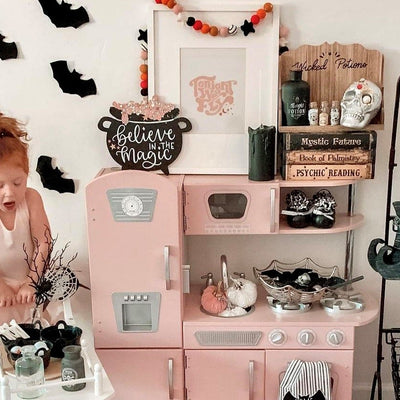
7 Halloween Ideas for Toddlers
Read more - about 7 Halloween Ideas for Toddlers within Popular Reads


