Best Developmental Toys for Toddlers That Encourage Learning Through Play

Toddlers are little explorers. They're experimenting with words, testing boundaries, making messes, and expressing big emotions, sometimes all before lunchtime. It's exciting, exhausting, and endlessly rewarding to watch them grow more independent each day.
That's where the benefits of play come in. Because the right toys can turn all that energy and curiosity into meaningful learning. For children ages 1–3, toddler toys that focus on development add joy to playtime while offering safe ways to practice motor skills, expand language, and strengthen social connections.
Learning in Disguise: Importance of Developmental Toys
Developmental toys invite exploration and creativity, giving your toddler stepping stones for lifelong learning. They help little ones strengthen fine and gross motor skills, explore language and early math concepts, practice problem-solving, and build social-emotional awareness through pretend play and sharing.
Best Developmental Toys for Toddlers by Age and Skill
So which toys are best for toddlers? To make play both fun and purposeful, opt for toys that match your child's age and stage. Toddlers' developmental needs change quickly; what captivates a 1-year-old might not challenge a 2-year-old, and vice versa. Below, we've broken down the best toys for each age group, with specific recommendations and the skills each toy helps build. Whether your toddler is just beginning to explore or testing their independence, you'll find options designed specifically for where they are in their development.
Early Learning and Development Toys Perfect for 1-Year-Olds
At this stage, discovery is all about textures, sounds, and movement. Some ideal toys for 1-year-olds include activity cubes, soft stacking rings and cups, slides, and simple musical instruments.
| Toy Type | What It Does | Skills Developed |
|---|---|---|
| Activity Cubes | Colorful bead mazes, gears, and shape sorters keep tiny hands busy. | Fine motor skills, problem-solving, hand-eye coordination. |
| Soft Stacking Rings and Cups | Classic sets are sized perfectly for little hands. | Hand-eye coordination, learning size and order. |
| Indoor or Outdoor Slide | Toddler-sized slides bring playground fun home. | Gross motor development, balance, confidence. |
| Simple Musical Instruments | Shakers, tambourines, and mini drums encourage auditory exploration. | Rhythm recognition, sound exploration, gross motor play. |
The Best Educational Toys for 2-Year-Olds
Life with a 2-year-old means lots of "I do it myself!" moments. At this stage, toddlers want to solve problems, copy everything you do, and test their independence through play. The following toys support that drive to explore and create. Choose from great toy choices for 2-year-olds:
| Toy Type | What It Does | Skills Developed |
|---|---|---|
| Activity Tables | A dedicated space to build, draw, and explore with purpose. | Creativity, fine motor skills, cooperative play. |
| Pretend-Play Kitchens | Little chefs cook up imaginative meals and scenarios. | Language development, imaginative play, social awareness. |
| Chunky Puzzles | Just-the-right-size pieces designed for confident grasping. | Cognitive skills, patience, fine motor dexterity. |
| Sandbox | Digging, pouring, and shaping sand provides tactile magic. | Fine motor skills, sensory awareness, creativity. |
Encourage Skills with Play Sets and Imaginative Toys
As toddlers grow, creativity takes center stage, and social skills begin to bloom. Two- and three-year-olds especially enjoy toys that let them tell stories, explore feelings, and play side by side with friends or family.
| Toy Category | Examples | Why They Matter |
|---|---|---|
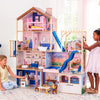
| Dollhouses, Farm Sets, and Figurines | Classic toys that spark endless storytelling. | Imagination, emotional awareness, cooperative play. |
| Easels and Art Supplies | Paints, crayons, chalk, and modeling dough at kid level. | Fine motor skills, color exploration, self-expression. |
| Climbers and Tunnels | Indoor or outdoor structures for crawling, climbing, exploring. | Strength, balance, confidence, gross motor skills. |
| Simple Board Games | Memory or matching games with large, easy pieces. | Turn-taking, focus, following directions, family bonding. |
Tips for Choosing the Best Developmental Toys for Your Toddler
With so many toddler toy options, it can be hard to know where to start. But a few simple guidelines can help you choose toys that are safe, engaging, and made to last.
| Selection Principle | Why It Matters | What to Look For |
|---|---|---|
| Safety First | Sturdy, non-toxic construction protects growing minds and bodies. | Age-appropriate design, tested for durability and safety. |
| Open-Ended Play | Toys with multiple uses stay engaging longer. | Blocks, play sets, and dolls that adapt to any story. |
| Think Long-Term | Choose toys that grow with your child through stages. | Toys offering new challenges as your toddler develops. |
| Encourage Togetherness | Shared play builds connection and social skills. | Toys that invite siblings, parents, and friends to join in. |
Inspire Learning Through Play
With the right toys, play becomes a joyful way to explore, learn, and grow. From painting to hosting pretend tea parties, each moment builds essential skills. They give all that toddler energy a purpose..at least until naptime hits.
FAQs
What are the best developmental toys for different ages?
For 1-year-olds, focus on sensory and motor development: activity cubes, soft stacking rings, toddler slides, and simple musical instruments support fine and gross motor skills, hand-eye coordination, and early sound exploration. 2-year-olds are ready for more independence and problem-solving, so activity tables, pretend-play kitchens, chunky puzzles, and sandboxes become more engaging. Many toys work well for both ages when designed thoughtfully.
How do developmental toys support learning and why is open-ended play important?
Developmental toys turn curiosity and energy into meaningful skill-building, they strengthen motor skills, expand language, encourage problem-solving, and help toddlers practice social awareness and emotional understanding. Open-ended toys like blocks, play sets, and dolls can be used in countless ways, keeping play fresh and engaging as your child develops. They adapt to each stage, making them a smart long-term investment that grows with your child through multiple developmental phases.
Why is pretend play important and how can I encourage group play?
Pretend play can build imagination, emotional awareness, and social skills, essential for healthy development. Whether it's a kitchen, dollhouse, or outdoor playhouse setup, these toys give toddlers safe ways to act out real-life scenarios and process feelings. Choose toys that naturally invite multiple children; the activity tables and group-friendly setups encourage turn-taking, cooperation, and shared storytelling that build social skills.
How much space do I need for developmental toys, and how many should I have?
You don't need much space, activity tables and sandbox toys work in small rooms, patios, or yards, with compact outdoor playhouses available. A few well-chosen, versatile toys like an activity table, a pretend-play set, and outdoor options provide more learning than a room full of single-purpose toys. Rotate toys occasionally to keep interest fresh without overwhelming your space.
What should I look for when choosing developmental toys?
Prioritize safety with sturdy, non-toxic toys designed for your child's age. Choose toys with multiple uses that keep play engaging and fresh like blocks, play sets, and dolls adapt to endless scenarios. Look for toys that grow with your child, offering new challenges as they develop through different stages. Finally, pick toys that encourage play together; shared toys build social skills, cooperation, and family memories while supporting healthy development across all areas.